
ElectionRolls – Supreme Court Directs More Judges for Bengal Revision
ElectionRolls – The political temperature in West Bengal rose sharply on Tuesday after the Supreme Court cleared the deployment of additional judicial officers from neighboring states to help complete the ongoing Special Intensive Revision of electoral rolls. The decision prompted a strong response from the ruling Trinamool Congress, which accused the Election Commission of India of mishandling the process.
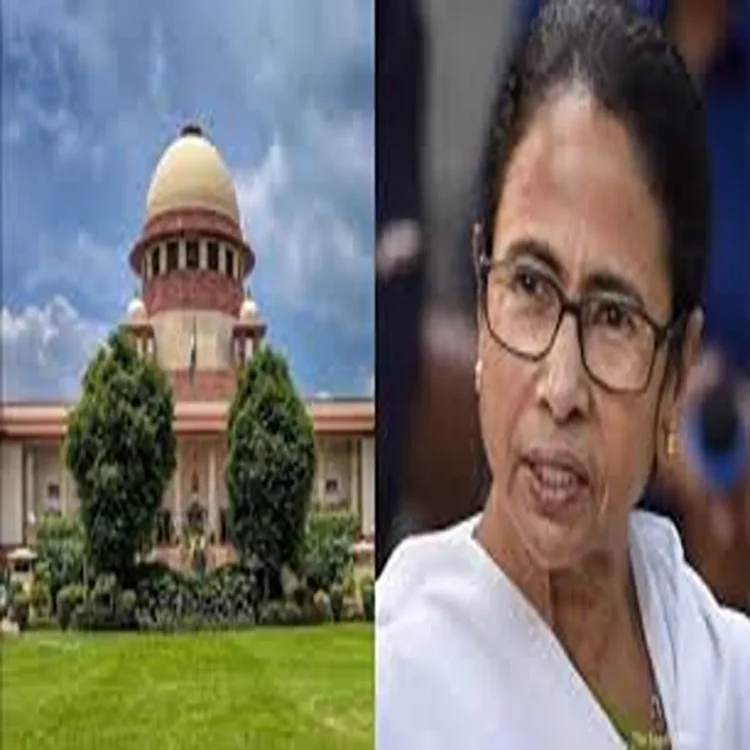
Trinamool Congress Criticizes Election Commission
Soon after the court’s direction, the Trinamool Congress publicly questioned the Election Commission’s management of the voter list revision. In a statement shared on social media, the party asserted that the conduct of the Special Intensive Revision had slipped beyond the Commission’s administrative control. It argued that the Supreme Court’s involvement underscored the seriousness of the situation and validated concerns previously raised by Chief Minister Mamata Banerjee.
The party maintained that the judicial order would help ensure fairness in the revision process and prevent any alleged irregularities. According to its statement, the court’s intervention served as a safeguard against what it described as arbitrary changes in documentation standards for voter verification.
Allegations of Administrative Failure
The Trinamool Congress went further, describing the situation as evidence of what it called institutional lapses within the Election Commission of India. It alleged that administrative shortcomings had led to the current backlog and questioned whether the electoral body had been able to effectively manage the large-scale exercise.
In another social media update, the party claimed that more than 50 lakh claims and objections remain pending. It pointed out that only around 250 judicial officers are currently available to examine these cases, suggesting that meeting the deadline for publishing the final electoral roll by February 28 would be extremely difficult under the present circumstances.
The party’s remarks reflect growing political friction around the revision drive, which is considered a critical administrative exercise ahead of upcoming electoral processes.
Supreme Court Steps In to Address Backlog
The developments follow an urgent hearing by a Special Bench of the Supreme Court of India. The Bench, led by Chief Justice of India Surya Kant, responded swiftly after receiving a letter from the Chief Justice of the Calcutta High Court.
The High Court had flagged the magnitude of the task, noting that approximately 50 lakh claims and objections had been filed by voters whose names were excluded due to logical discrepancies and mapping-related issues. These matters are currently pending before Electoral Registration Officers and Assistant Electoral Registration Officers.
Recognizing the scale of the exercise, the Supreme Court authorized the temporary deployment of additional judges from the neighboring states of Jharkhand and Odisha. The move is aimed at accelerating the review of objections and ensuring that due process is followed before the final publication of the electoral rolls.
Political and Administrative Implications
The Special Intensive Revision is a comprehensive verification drive intended to correct inaccuracies in the voter list. Such exercises often involve scrutiny of documentation, verification of residential details, and resolution of objections filed by affected voters.
With millions of cases under consideration, the process has placed considerable strain on administrative and judicial resources. The court’s intervention highlights the logistical challenges associated with large-scale electoral revisions in densely populated states like West Bengal.
While the Election Commission has not publicly responded in detail to the latest allegations, the Supreme Court’s order has effectively expanded the pool of judicial officers overseeing the process. Observers note that the outcome of this exercise will be closely watched, given its potential impact on voter participation and electoral integrity in the state.
As the February 28 deadline approaches, the focus now shifts to how efficiently the expanded judicial framework can address the backlog and ensure that eligible voters are fairly represented in the updated rolls.