
ParliamentaryDiplomacy – India Expands Lawmakers’ Role in Global Engagement
ParliamentaryDiplomacy – The Lok Sabha has launched Parliamentary Friendship Groups to enhance structured engagement between Indian lawmakers and foreign legislatures.
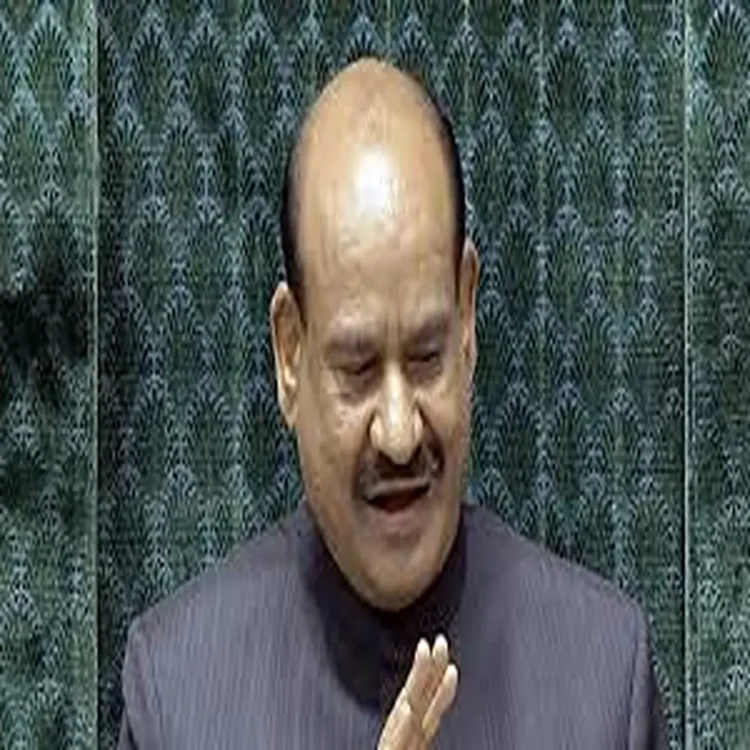
The proposal to establish Parliamentary Friendship Groups, recently advanced by Lok Sabha Speaker Om Birla, signals a shift in the way India approaches international engagement. Traditionally steered by the executive branch, foreign relations are now set to receive greater participation from elected representatives. The initiative underscores the view that Parliament, as the voice of the people, can contribute meaningfully to diplomatic outreach and long-term relationship building.
Structured engagement across party lines
Under the new framework, the Lok Sabha has constituted friendship groups with numerous countries spanning different regions. Each group includes Members of Parliament from multiple political parties, reflecting an effort to present a united and inclusive face of India abroad. Lawmakers from both the ruling alliance and the opposition have been included to ensure that international interactions are not seen through a partisan lens.
This cross-party composition is intended to convey stability and continuity in India’s foreign outreach. By involving diverse political voices, the initiative highlights the country’s democratic character while reinforcing that external engagement represents national interests rather than short-term political considerations.
Moving beyond occasional exchanges
Parliamentary exchanges between India and other countries have taken place in the past, often through delegations or participation in international conferences. However, such interactions were largely event-based. The new groups aim to create regular and institutionalised channels of communication.
Through these platforms, Indian MPs will be able to interact consistently with their counterparts overseas. Discussions are expected to extend beyond ceremonial meetings to include legislative practices, governance models, institutional reforms, and democratic standards. This continuity is designed to foster familiarity and trust over time, rather than restarting dialogue with each new visit.
Complementing executive-led diplomacy
Officials have clarified that the initiative does not seek to replace traditional foreign policy mechanisms led by the government. Instead, it is meant to supplement them. While the executive branch continues to manage negotiations and strategic decisions, parliamentary friendship groups offer an additional layer of engagement.
Legislators often bring constituency-level perspectives and policy insights shaped by public debate. In many cases, parliamentary dialogue can be more candid and wide-ranging than formal diplomatic exchanges. Personal rapport developed between lawmakers may also help ease tensions and strengthen bilateral goodwill, particularly during periods of geopolitical uncertainty.
Broad geographic focus
The scope of the friendship groups is deliberately wide. Partnerships have been formed with key strategic allies as well as neighbouring countries and nations across the Global South. This broad outreach aligns with India’s expanding role in global affairs and its growing participation in multilateral forums.
By involving MPs with experience in foreign affairs or sectoral expertise, the groups are expected to add depth to discussions on trade, investment, technology cooperation, education, and cultural exchanges. Legislators can also engage on emerging global challenges that increasingly require parliamentary oversight, such as climate policy, digital regulation, and public health frameworks.
Institutionalising parliamentary diplomacy
A notable feature of the initiative is its emphasis on continuity. Formalising these groups creates predictable channels for follow-up discussions, coordination with embassies, and sustained dialogue with foreign parliaments. Rather than relying on sporadic contact, the structure aims to nurture long-term relationships.
Supporters of the initiative argue that in an interconnected world, diplomacy benefits from multiple points of engagement. As democracies place growing importance on legislative oversight and transparency, parliamentary diplomacy has gained relevance internationally. India’s move to systematise this approach reflects an understanding that elected representatives can contribute to shaping global narratives alongside the executive.
In essence, the creation of Parliamentary Friendship Groups represents an effort to broaden India’s diplomatic toolkit. By empowering lawmakers to engage directly with their international peers, the Lok Sabha leadership is seeking to reinforce democratic values, deepen bilateral cooperation, and ensure that parliamentary voices have a sustained role in the country’s global engagement.