
Environment – Palaash Mahotsav 2026 Opens at Asita Floodplain
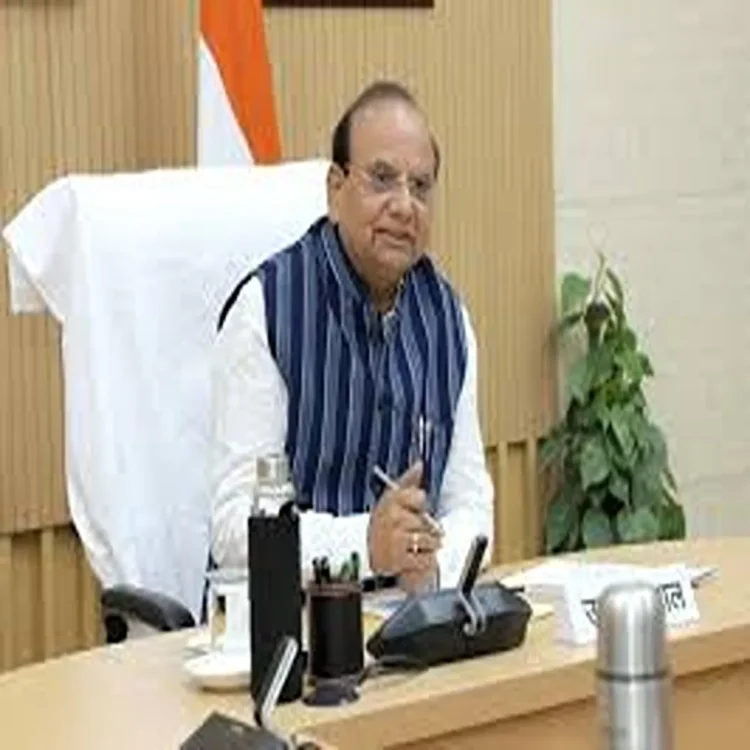
Environment – Delhi will witness the opening of Palaash Mahotsav 2026 this Saturday, as Lieutenant Governor and Delhi Development Authority (DDA) Chairperson V.K. Saxena inaugurates the two-day celebration at the Asita floodplain near ITO.
The event is part of the DDA’s broader push to strengthen sustainable urban development and expand accessible green spaces across the capital. Officials say the festival aims to bring residents closer to nature while highlighting ongoing efforts to restore and maintain public landscapes.
Celebration of Green Spaces and Floral Heritage
Visitors to the Asita floodplain venue can expect a vibrant display of floral arrangements, seasonal plant collections and interactive landscape installations. The exhibits feature a mix of ornamental varieties and native species, reflecting the city’s ecological diversity.
Beyond horticulture, the festival has been designed as a community gathering. Artisan stalls, curated food courts, cultural programmes and workshops are set up to engage families, students and senior citizens alike. Organisers have included participatory activities to ensure that people of all age groups can take part in the celebrations.
Minister of State for Corporate Affairs Harsh Malhotra and DDA Vice Chairman N. Saravana Kumar are also scheduled to attend the inaugural ceremony, underlining the administrative support behind the initiative.
Marking the Seasonal Shift
Palaash Mahotsav traditionally coincides with the transition from winter to spring, a period associated with renewal and colour. Officials describe the festival as an opportunity to celebrate this seasonal change while reinforcing the importance of environmental responsibility in urban life.
Earlier this month, on February 14, the Lieutenant Governor inaugurated the DDA Green Expo 2026 alongside the Palaash Mahotsav at Baansera on the Yamuna riverbank. The site, once considered degraded and polluted, has undergone restoration over the past few years.
Speaking at the event, the Lieutenant Governor reflected on the transformation of the area. He noted that few would have imagined the same site hosting a Green Expo and serving as a platform for discussions on a sustainable future for Delhi.
Restoration as a Model for Urban Renewal
In a message shared on social media, he described Baansera as a strong example of reclaiming degraded land through sustained effort. He expressed hope that the Green Expo would contribute practical ideas to address Delhi’s environmental challenges.
The Lieutenant Governor also urged citizens to envision a capital where clean air, shaded neighbourhoods and well-maintained riverbanks become everyday realities. He emphasised that environmental protection requires collective responsibility from all residents.
The DDA, in its own social media update, described the opening day of the Green Expo as purposeful and forward-looking. The inaugural ceremony included memorandum signings, a logo unveiling, keynote addresses and an exhibition walkthrough, setting the tone for what officials called a climate-ready vision for Delhi.
Multiple Venues Highlight Nature Themes
Alongside Baansera at Birsa Munda Chowk, the Palaash Festival has also been organised simultaneously at Ashoka Garden in Ashok Vihar, Lala Hardayal Park in Jasola and Smriti Van in Narela. Each venue has been curated around distinct themes related to sustainability, community life and the city’s connection with nature.
At these locations, visitors will find thematic gardens, landscape installations and dedicated activity zones. Organisers say the combined effort presents a unified narrative about Delhi’s evolving relationship with its natural surroundings.
Focus on Public Participation and Awareness
A central feature of the festival is its emphasis on environmental awareness. Interactive exhibits and hands-on sessions are designed to introduce visitors, particularly children and young adults, to topics such as biodiversity conservation, water-sensitive planning and climate-responsive urban design.
Officials believe that direct public engagement is essential for long-term environmental improvement. By encouraging participation rather than passive observation, the organisers hope to nurture a sense of stewardship towards urban green spaces.
As Delhi continues to face challenges linked to pollution, rapid urbanisation and climate change, initiatives like Palaash Mahotsav and the Green Expo are positioned as platforms for dialogue and community involvement. Through restoration projects and public events, authorities aim to reinforce the idea that sustainable development must be both inclusive and practical.