
Tariffs – Supreme Court Strikes Down Trump Emergency Trade Measures
Tariffs – A broad cross-section of American business leaders, advocacy groups and senior lawmakers expressed support after the US Supreme Court ruled that former President Donald Trump overstepped his authority by invoking emergency powers to impose sweeping tariffs on imports.
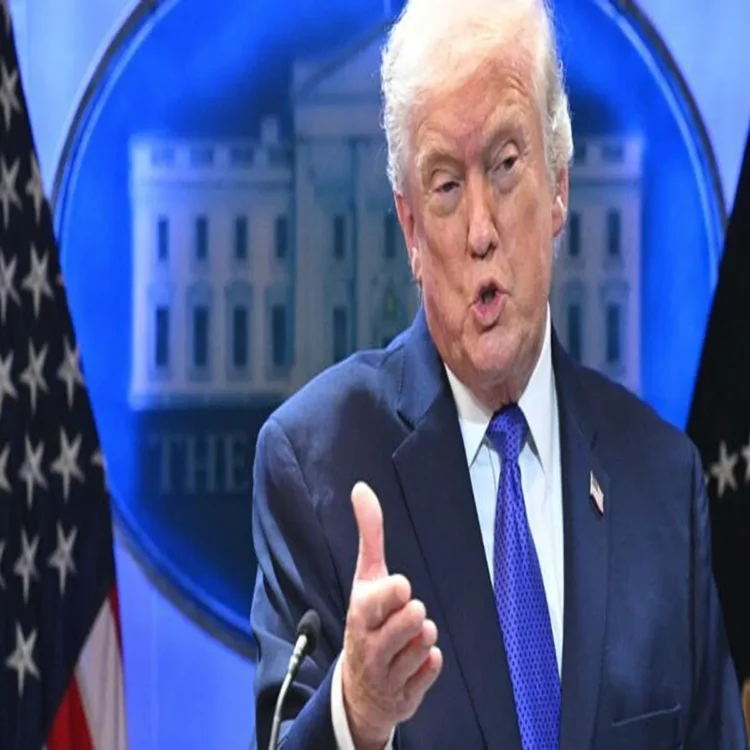
Court Reaffirms Limits on Executive Authority
In a 6-3 judgment, the Supreme Court concluded that the executive branch had exceeded its constitutional boundaries by using emergency provisions to justify tariffs on goods from most major trading partners. The justices found that several of the duties introduced last year were not legally justified, effectively invalidating large portions of the policy.
The ruling marks a significant moment in the ongoing debate over the balance of power between Congress and the presidency in shaping US trade policy. By striking down the tariffs, the court reinforced Congress’s primary role in regulating commerce with foreign nations.
Business Community Welcomes Decision
Industry representatives described the decision as a relief for companies grappling with higher import costs and supply chain complications. Neil Bradley, executive vice president and chief policy officer of the US Chamber of Commerce, said the outcome would ease pressure on both businesses and consumers.
According to Bradley, the tariffs had led to sharp cost increases for many companies, which in turn affected pricing and operations. He urged the administration to act quickly to reimburse duties that were collected without proper legal authority and to develop a clearer, more stable tariff framework aimed at promoting economic growth while lowering expenses for American households.
Small business advocates echoed that sentiment. We Pay the Tariffs, a coalition representing smaller enterprises, called for what it described as “full, fast and automatic” refunds. The group said its members had collectively paid billions of dollars in import taxes that, in light of the court’s ruling, should never have been enforced.
Lawmakers Weigh In on Trade Strategy
Reaction on Capitol Hill was also swift. Senator Mitch McConnell of Kentucky welcomed the judgment, saying it underscored long-standing concerns about broad trade disputes with allied nations.
In a public statement, McConnell argued that expansive trade conflicts had offered limited practical benefits while increasing costs for American businesses and consumers. He added that imposing artificial trade barriers often results in higher prices for goods produced and purchased within the United States.
The decision may reshape how future administrations approach tariffs, particularly when invoking emergency authority. Legal scholars noted that while presidents retain tools to influence trade, those powers must align closely with statutory and constitutional limits.
Broader Implications for Trade Policy
Edward Fishman, a former official at the State Department and the Treasury Department who is now affiliated with the Council on Foreign Relations, said the ruling could curb the use of tariffs as a rapid-response economic instrument. While duties remain an option in trade negotiations, he explained, they would likely need to be imposed through more clearly defined legal channels.
Despite the clarity provided by the judgment, some business organizations cautioned that uncertainty has not fully disappeared. They warned that tariffs could potentially return under different legal authorities if policymakers choose alternative statutory pathways.
For now, companies across multiple sectors are assessing what the ruling means for future import costs and international supply chains. Many are also awaiting guidance from federal agencies regarding the timeline and process for possible refunds.
The Supreme Court’s decision not only alters the trajectory of recent US trade measures but also reinforces the constitutional framework governing economic policy. As discussions continue in Washington, businesses and lawmakers alike are likely to focus on crafting trade strategies that balance competitiveness, legal authority and consumer interests.