
Tariffs – Trump Imposes 10% Global Import Duty After Court Ruling
Tariffs – President Donald Trump has signed an executive order introducing a 10 percent tariff on imports from all countries, a move that takes effect almost immediately and marks a significant shift in United States trade policy.
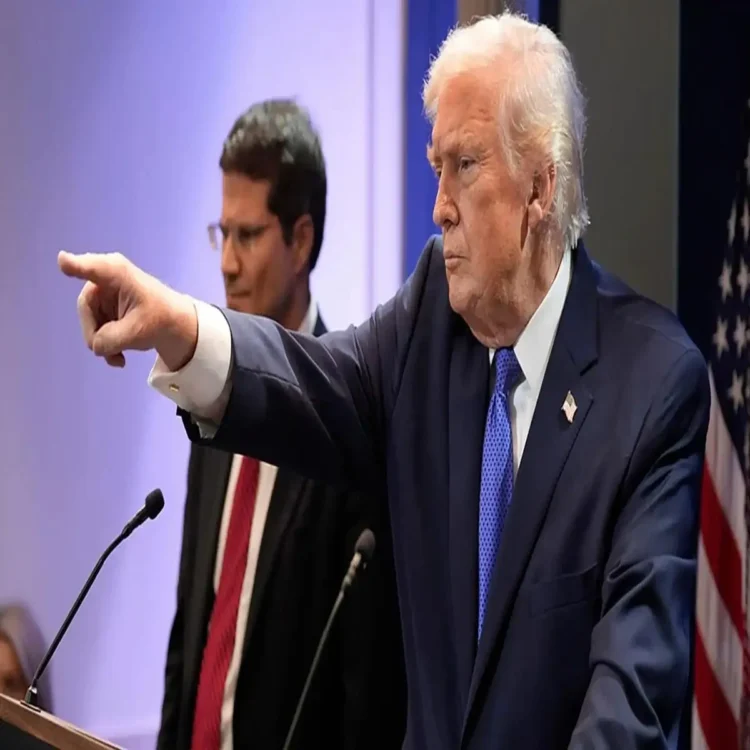
The announcement was made on Friday from the Oval Office, with the President confirming that the new measure would apply broadly to international trading partners. According to a White House official, the tariff will remain in place unless replaced or modified under a separate legal authority. The administration has urged trading partners to comply with existing trade agreements as the policy takes effect.
Supreme Court Limits Emergency Tariff Authority
The executive action follows a major decision by the US Supreme Court, which ruled 6–3 that the administration exceeded its authority by using the International Emergency Economic Powers Act of 1977 to impose wide-ranging import duties.
Chief Justice John Roberts, joined by Justices Neil Gorsuch, Amy Coney Barrett and the court’s three liberal members, concluded that the law does not explicitly grant the president the power to levy broad tariffs. The Constitution assigns authority over taxation and duties to Congress.
In dissent, Justices Samuel Alito, Clarence Thomas and Brett Kavanaugh supported a broader interpretation of presidential emergency powers.
The ruling effectively voided billions of dollars in tariffs previously imposed under the emergency statute. Legal analysts have suggested the federal government could face refund obligations estimated between $130 billion and $175 billion in collected duties.
Shift to Trade Act Authority
Responding to the court’s decision, Trump described the ruling as deeply flawed and quickly turned to a different legal pathway. He invoked Section 122 of the Trade Act of 1974, which allows the president to introduce a temporary import surcharge of up to 15 percent for 150 days to address balance-of-payments concerns.
“Effective immediately,” Trump stated, the new 10 percent tariff would apply in addition to standard duties already being charged. He also emphasized that tariffs implemented under Section 232, which addresses national security concerns, and Section 301, which targets unfair trade practices, remain unaffected by the Supreme Court’s decision.
The administration has already initiated new investigations under Section 301, potentially paving the way for more targeted and longer-term trade measures.
Economic and Market Reactions
The financial stakes are substantial. According to reporting by The Washington Post, the government collected nearly $134 billion in tariffs under the contested authority through mid-December. The broader measures affected trillions of dollars in global trade flows.
Markets reacted swiftly to the court ruling. Major US stock indexes moved higher as investors interpreted the decision as potentially easing inflationary pressures. However, gains were moderated after the President signaled his intent to introduce replacement tariffs without delay.
Economists note that the reimposition of a universal tariff could influence consumer prices, corporate supply chains and household budgets. Importers may pass additional costs on to customers, while businesses reliant on global sourcing may reassess procurement strategies.
Trade Partners and International Implications
The administration has framed the tariff policy as part of a broader effort to address trade imbalances and what it describes as longstanding unfair practices by foreign governments.
Trump indicated that bilateral trade negotiations would continue under existing frameworks. He specifically referenced ongoing discussions with India, suggesting that recent agreements, including revised reciprocal tariff arrangements, would proceed under alternative legal authorities.
Global reaction remains measured but cautious. Trade partners are reviewing the legal basis and scope of the new tariff, while businesses worldwide assess the potential impact on cross-border commerce.
The Supreme Court’s decision and the subsequent executive order underscore the ongoing debate over the balance of power between Congress and the presidency in shaping US trade policy. As the legal and economic implications unfold, businesses, policymakers and consumers alike are closely monitoring the next steps.