
NuclearTensions – Iran and Russia Stage Naval Drill Amid US Warnings
NuclearTensions – Iran and Russia have conducted a joint naval exercise in the Gulf of Oman and the northern Indian Ocean, a move that comes as diplomatic efforts over Tehran’s nuclear program remain uncertain and speculation grows over potential US military action.
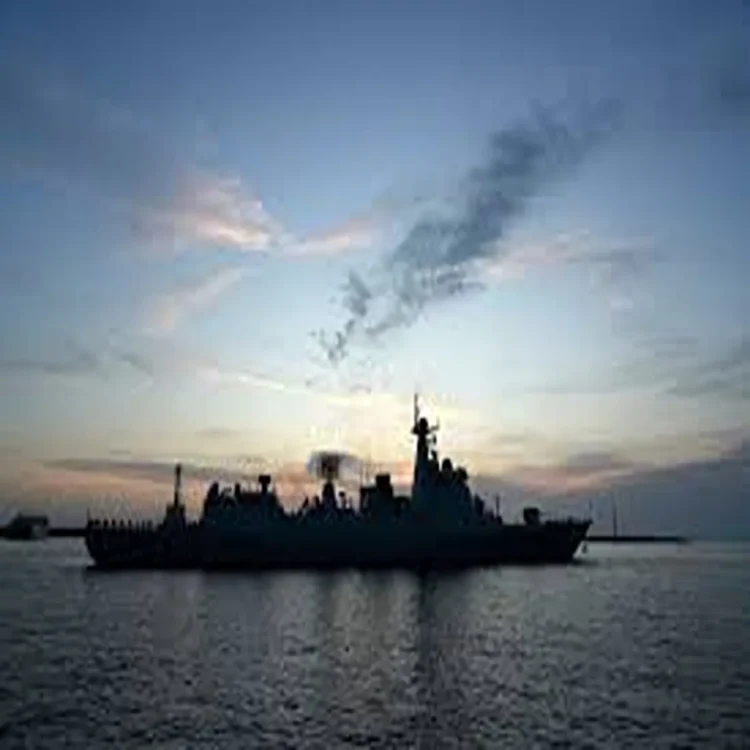
The drill, which involved forces from both countries, unfolded against a backdrop of rising tensions between Washington and Tehran. According to details released by Iranian military sources and reported by international media, the exercise focused on coordinated maritime operations, including a simulated mission to free a vessel seized by hostile forces.
Joint Maritime Operation in Strategic Waters
The naval exercise brought together special operation units from Iran’s regular army, the Islamic Revolutionary Guard Corps, and Russian forces. One of the central components of the drill was a scenario in which elite teams stormed and secured a hijacked ship, demonstrating coordination in high-risk maritime environments.
Iran deployed several key assets for the exercise, including the Alvand destroyer, missile-equipped warships, helicopters, landing craft, fast attack boats, and specialized commando units. Military officials described the drill as part of ongoing efforts to enhance regional maritime security and strengthen cooperation between Tehran and Moscow.
The chosen location underscores the importance of the waterways involved. The Gulf of Oman and nearby shipping lanes serve as critical routes for global energy supplies, linking the Strait of Hormuz to the wider Indian Ocean.
Follow-Up to Strait of Hormuz Exercise
The joint drill took place shortly after the Islamic Revolutionary Guard Corps completed its own exercise in the Strait of Hormuz earlier in the week. That operation included a temporary suspension of traffic through the narrow waterway, a chokepoint through which a significant portion of the world’s oil exports passes.
The sequence of exercises has drawn international attention, particularly as tensions over Iran’s nuclear program continue to simmer. Military analysts note that maneuvers in and around the Strait of Hormuz often carry broader geopolitical implications due to the area’s strategic value.
Washington Signals Possible Military Action
While Iran and Russia carried out their naval activities, officials in Washington signaled growing impatience over nuclear negotiations. President Donald Trump told reporters aboard Air Force One that Iran has between 10 and 15 days to reach an agreement regarding its nuclear program. He cautioned that failure to do so could lead to serious consequences.
In recent days, the United States has reinforced its military presence in the Middle East. The aircraft carrier USS Gerald R. Ford has been ordered to the region, joining the USS Abraham Lincoln and its accompanying guided-missile destroyers already stationed there. The deployment represents a significant concentration of naval and air power.
US media outlets, citing sources familiar with internal discussions, have reported that the Pentagon is prepared for possible action against Iran. Some reports suggest that strikes could occur within weeks if diplomatic efforts stall, while others indicate that an initial, limited operation targeting specific military or government sites is under consideration.
Diplomatic Talks Continue in Geneva
Despite the heightened rhetoric, diplomatic engagement has not ceased. Iran and the United States recently concluded a second round of indirect nuclear talks in Geneva. Iranian officials described the discussions as more constructive than the initial meeting, while US representatives acknowledged progress but emphasized that substantial details remain unresolved.
White House Press Secretary Karoline Leavitt said there are multiple arguments for taking a harder line but stressed that diplomacy remains the administration’s preferred approach. She declined to specify a deadline for further talks.
Regional Concerns and International Reactions
The evolving situation has prompted concern among international leaders. Polish Prime Minister Donald Tusk urged Polish nationals in Iran to depart the country and advised against travel there, citing the risk of a potential violent conflict. He emphasized that the warning was not intended to create alarm but reflected a realistic assessment of the security environment.
As naval maneuvers continue and negotiations advance cautiously, the coming weeks are likely to prove decisive for both regional stability and the future of Iran’s nuclear program.