
GarbageDispute – Karnataka Leaders Clash Over Waste Protests
GarbageDispute – A fresh political confrontation has erupted in Karnataka after remarks made by Deputy Chief Minister DK Shivakumar over the ongoing garbage disposal issue drew sharp criticism from the opposition Bharatiya Janata Party (BJP). The exchange has intensified the debate around civic waste management in Bengaluru and the role of elected representatives in addressing public concerns.
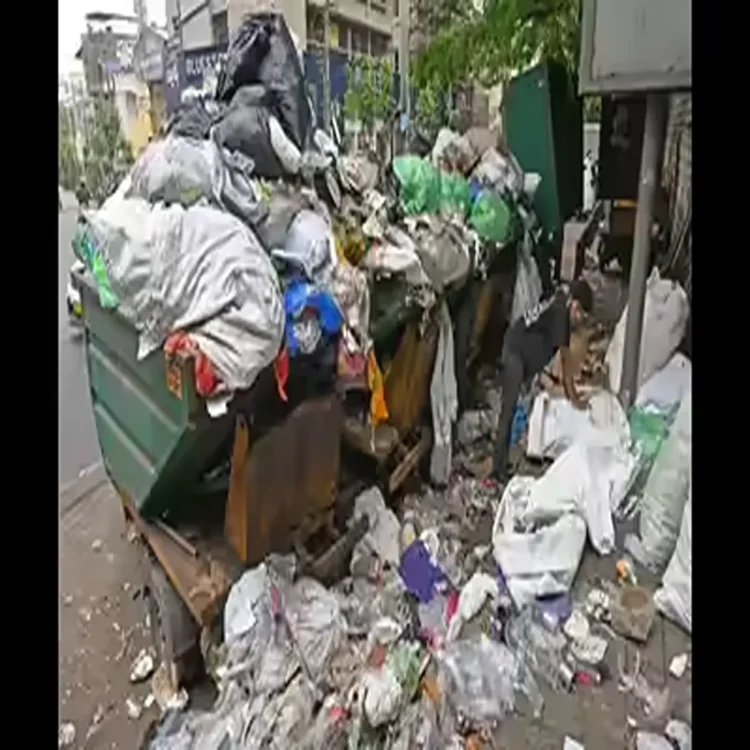
BJP Criticizes Deputy CM’s Remarks
BJP MLA Mahesh Tenginkai on Thursday responded to Shivakumar’s recent statements regarding the alleged obstruction of garbage trucks. Speaking to reporters, Tenginkai said the Deputy Chief Minister should focus on finding solutions to the waste management problem instead of issuing warnings directed at opposition leaders.
He maintained that political rhetoric would not help resolve the situation and urged the Congress-led government to avoid what he described as a blame game. Tenginkai pointed out that similar challenges had surfaced during the BJP’s tenure in office but claimed that his party had refrained from targeting Congress leaders personally at that time.
According to Tenginkai, governance demands practical measures rather than confrontational remarks. He stressed that resolving civic issues, particularly those affecting residents of Bengaluru’s outer zones, should take precedence over political exchanges.
Shivakumar Alleges Deliberate Obstruction
The controversy stems from statements made earlier by Deputy Chief Minister DK Shivakumar, who accused certain BJP MLAs of interfering with garbage trucks transporting waste to designated disposal sites on the outskirts of the city.
Shivakumar specifically referred to BJP legislators Dheeraj Muniraju and Aravind Limbavali, alleging that they had blocked vehicles as part of a protest. He claimed such actions were disrupting essential services and affecting the city’s waste management operations.
The Deputy Chief Minister further alleged that the opposition was attempting to pressure the state government by linking cooperation on civic matters to demands for development funds in their constituencies. He described the alleged actions as an attempt to compel the administration into allocating additional financial resources.
Warning of Legal Action
In a strongly worded statement, Shivakumar cautioned that the government would not hesitate to invoke the Essential Services Maintenance Act (ESMA) if disruptions continued. He warned that strict measures could be taken against those interfering with waste collection and disposal services, which are considered critical to public health and urban administration.
He also remarked that if opposition members continued to obstruct garbage trucks, the waste could be redirected to locations associated with them, including their residences or party offices. The comments have since sparked debate across political circles.
Shivakumar added that any untoward incidents arising from such protests would be dealt with according to the law, reiterating that the government’s priority remains maintaining uninterrupted civic services.
Civic Issue Turns Political
The dispute highlights the persistent challenges surrounding waste management in Bengaluru, a rapidly expanding metropolis grappling with increasing volumes of solid waste. The outer zones of the city, where several landfill and processing sites are located, have often witnessed tensions between local residents and authorities.
While protests related to garbage dumping are not new in Karnataka’s political landscape, the latest exchange underscores how civic administration can quickly become entangled in partisan disagreements.
Observers note that both sides have framed the issue differently. The ruling Congress government has characterized the alleged obstruction as a disruption of essential services, while BJP leaders argue that their concerns relate to fair allocation of resources and proper handling of public grievances.
As the debate continues, the spotlight remains on how the state government and opposition legislators will navigate the situation. With urban waste management emerging as a key governance challenge, residents are watching closely to see whether the political rhetoric will give way to collaborative solutions.