
Federalism – Tamil Nadu CM Stalin Tables Union-State Key Report
TFederalism – amil Nadu Chief Minister M.K. Stalin on Wednesday presented the first part of the High-Level Committee report on Union–State relations in the State Assembly, renewing his government’s call for greater powers to be vested with states. The move marks a fresh push by the DMK administration to strengthen the federal structure and redefine the balance of authority between the Centre and the states.
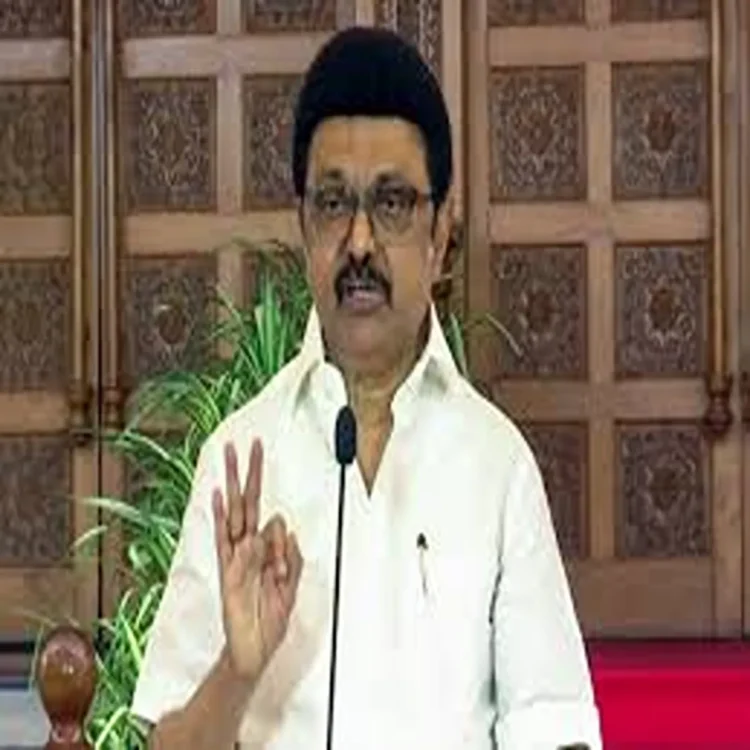
Committee Submits Findings to Government
The panel, headed by retired Supreme Court judge Justice Kurian Joseph, was constituted to examine the evolving nature of Centre–State ties. Former senior bureaucrats K. Ashok Vardhan Shetty and M. Naganathan served as members of the committee. The group submitted its findings to the Chief Minister earlier this week, following months of consultations and review of constitutional provisions.
While tabling the report, Stalin described it as a milestone in Tamil Nadu’s long-standing efforts to safeguard state rights. He told lawmakers that the document lays out a structured framework for correcting what he termed an imbalance in the distribution of powers.
Call for Constitutional Reforms
Addressing the Assembly, the Chief Minister stressed the need to revisit certain constitutional arrangements to ensure that states are equipped with adequate authority to govern effectively. He argued that if state governments do not assert their constitutional space, the opportunity to recalibrate federal relations may be lost.
Members of the ruling DMK and its allies responded with strong support during the session. Stalin maintained that the objective is not confrontation but reform, adding that the committee’s recommendations are aimed at ensuring smoother governance and accountability at the state level.
Concerns Over Centralisation of Powers
A significant portion of Stalin’s address focused on what he described as increasing centralisation by the Union government. According to him, several decisions are being made without sufficient consultation with states, leading to a growing sense of dependence on central authorities.
He contended that the concentration of power at the national level affects the ability of states to respond effectively to local needs. Referring to the committee’s findings, he said the report provides practical suggestions to address these issues and restore a healthier federal balance.
Debate on the State and Concurrent Lists
The Chief Minister also raised objections to what he sees as a gradual shift of subjects from the State List to the Concurrent List. Such changes, he argued, dilute the exclusive powers that states are meant to exercise under the Constitution.
Stalin said that when matters traditionally handled by states come under shared jurisdiction, it can blur accountability and reduce administrative flexibility. He asserted that protecting the constitutional status of states is essential to maintaining the spirit of cooperative federalism envisioned by the framers of the Constitution.
Fiscal Devolution and Revenue Sharing
Financial relations between the Centre and the states formed another key theme of his remarks. Stalin expressed concern that economically stronger states, despite contributing substantially to national revenue, may not be receiving a proportionate share of central funds.
He noted that equitable fiscal devolution is critical for development planning and welfare delivery. Without predictable and fair financial transfers, he said, states could face challenges in sustaining infrastructure projects and social programs.
Appeal for National Consensus
In concluding his address, the Chief Minister called on political parties across India to engage in a broader conversation on strengthening federal principles. He said that autonomy for states should not be viewed through a partisan lens but as a foundational element of the country’s democratic framework.
Stalin emphasized that a robust federal system allows diverse languages, cultures, and communities to flourish while remaining united. He expressed hope that the committee’s report would encourage informed debate and constructive dialogue on the future of Centre–State relations.