
Inflation – Karachi Residents Struggle With Rising Ramadan Costs
Inflation – As the holy month of Ramadan draws near, families across Karachi are grappling with soaring food prices, turning what is usually a period of reflection and community into a time of financial anxiety.
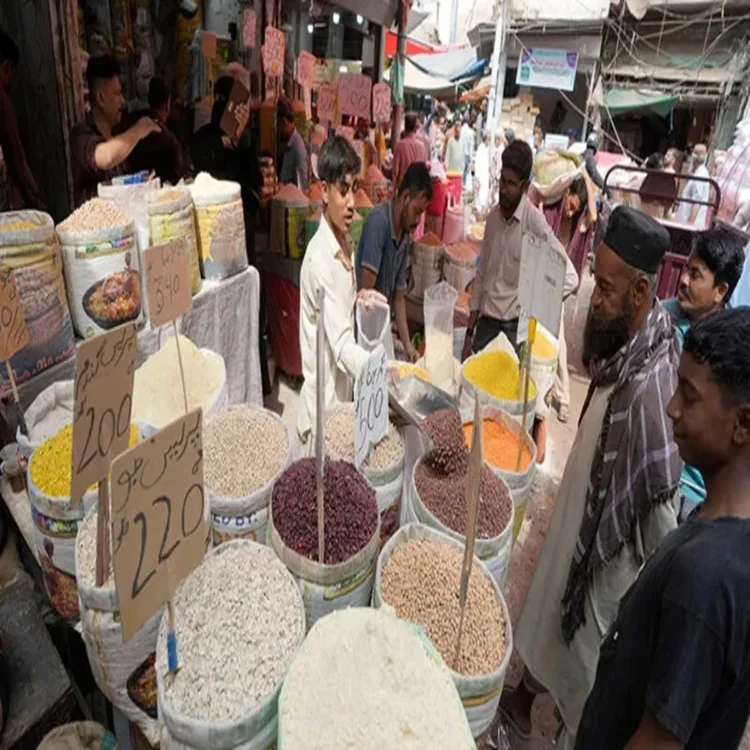
Sharp Rise in Essential Food Prices
In the bustling lanes of Jodia Bazaar, one of the city’s largest wholesale markets, shoppers say the cost of everyday staples has climbed steeply in recent weeks. Items such as flour, lentils, cooking oil, milk, and eggs have become significantly more expensive compared to the same period last year. Several residents reported that prices of some goods appear to have nearly doubled.
For many households, this surge has meant cutting back on basic purchases. Shoppers who once bought groceries in bulk now find themselves reducing quantities to stretch limited incomes. One resident noted that where his family previously purchased ten kilograms of flour, they now manage with half that amount to stay within budget.
Concerns Over Market Oversight
Many citizens believe inadequate regulation has allowed prices to spiral ahead of the high-demand season. They argue that without effective monitoring, certain retailers take advantage of the increased need for food supplies during Ramadan.
Residents say it is the responsibility of the state to ensure fair pricing, especially during a month when families traditionally increase spending on meals and charitable giving. Some pointed out that price control mechanisms should become more active during religious and cultural observances, rather than less.
Financial Pressure on Low-Income Families
Advocate Gulqadam Malik, who visited the market after attending court proceedings, described the situation as particularly severe for middle- and lower-income earners. According to him, families earning between Rs25,000 and Rs30,000 per month are already burdened with rent, electricity bills, fuel expenses, and school fees. The additional rise in food prices has compounded their struggles.
He observed that some households have begun reducing the number of daily meals or opting for cheaper alternatives to manage expenses. The strain, he added, extends beyond finances, as constant economic pressure has led to visible stress among working families.
Link to Broader Economic Challenges
Residents also connected the current wave of inflation to wider economic difficulties. They cited rising unemployment and a slowdown in key industries, including textiles, chemicals, and automobiles, as factors contributing to shrinking household incomes.
With factory closures and reduced business activity affecting job security, many families have little room to absorb additional costs. For them, the increase in food prices ahead of Ramadan feels like an added burden at a time when incomes are already uncertain.
Comparisons With International Practices
Some citizens drew comparisons with other countries where governments introduce relief measures or subsidies during major festivals. In those cases, authorities often step in to stabilise prices or offer discounted essential goods to ease the impact on consumers.
In contrast, Karachi residents say festive seasons in Pakistan frequently coincide with higher prices rather than relief. They expressed disappointment that no comprehensive support package has been announced to address the seasonal surge in demand.
Calls for Immediate Action
Despite the hardship, residents emphasised their commitment to observing Ramadan in accordance with their faith. However, they urged authorities to strengthen price monitoring, curb profiteering, and introduce practical relief measures for vulnerable groups.
Without timely intervention, they warned, persistent inflation could further strain household budgets and weaken public confidence in economic management. For many families in Karachi, the coming weeks will require careful planning and difficult choices to navigate a month that is spiritually significant but increasingly costly.