
Diabetes – Rethinking Rice in India’s Blood Sugar Debate
Diabetes – For years, rice has been singled out as a leading cause of rising diabetes cases across India. It frequently reappears in health debates, often portrayed as a major dietary culprit. Many people, influenced by online discussions and well-meaning advice, have chosen to remove rice entirely from their meals. Yet, despite this change, blood sugar levels often remain higher than expected.
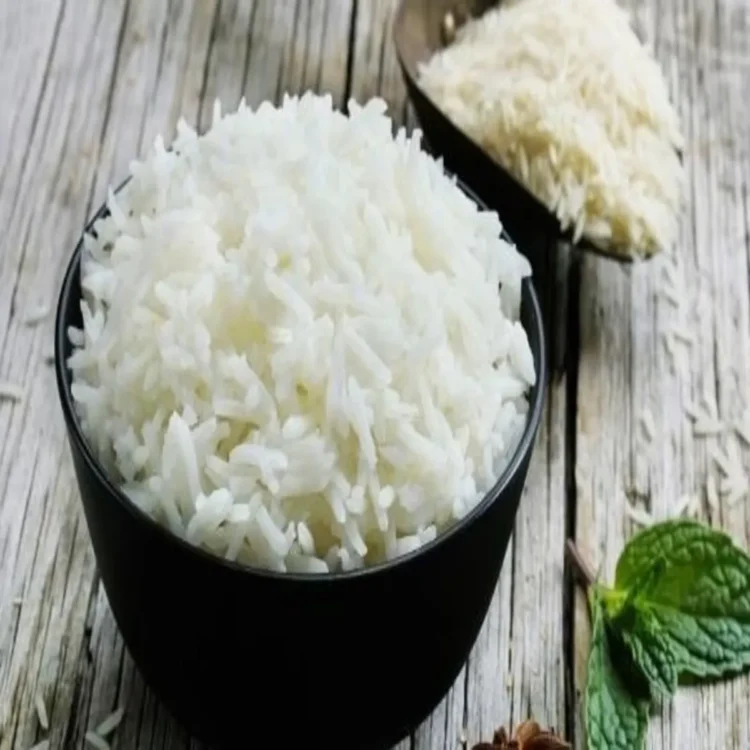
According to Dr Gagandeep Singh, MBBS, Founder of Redial Clinic, who works extensively on reversing diabetes, hypertension, obesity and PCOS without medication, the criticism directed at rice misses a larger point. He believes the issue is not about one staple grain but about how entire meals are structured.
Understanding the Composition of the Indian Plate
A closer look at a typical Indian meal helps explain his perspective. Most plates feature a generous portion of rice or roti, accompanied by a modest serving of dal, a vegetable preparation often cooked with substantial oil, and occasionally a sweet dish at the end.
Dr Singh explains that the challenge lies in the overall carbohydrate load. When a meal is heavily centered on starch with limited protein and healthy fats, glucose tends to enter the bloodstream rapidly. Protein and fats, in contrast, help moderate this rise by slowing digestion and absorption.
In his clinical practice, continuous glucose monitoring has revealed consistent patterns. Patients consuming the same quantity of rice show markedly different glucose responses depending on what accompanies it. When rice is eaten with sufficient protein and fiber-rich vegetables, blood sugar levels tend to rise more gradually. However, when consumed alone or paired with minimal protein, sharper spikes are observed. The broader context of the meal, he says, plays a decisive role.
Key Lifestyle Factors Behind Rising Diabetes Cases
Dr Singh identifies three major contributors that he believes have a stronger link to diabetes than rice itself.
Protein Deficiency in Daily Diet
Many Indian adults consume far less protein than recommended. Estimates suggest average intake often ranges between 30 to 40 grams per day, while the body may require nearly double that amount depending on individual needs. Muscle tissue plays a central role in glucose regulation. Reduced protein intake can gradually affect muscle mass, limiting the body’s ability to manage blood sugar effectively.
Decline in Physical Activity
Traditional Indian lifestyles once involved significant physical labor, which naturally balanced high-carbohydrate diets. Today, desk-based jobs, long hours of commuting, and extended screen time have significantly reduced daily movement. Without regular strength-building activity, muscles are less equipped to utilize circulating glucose efficiently.
Irregular Eating Patterns
Frequent snacking and late-night meals have also altered metabolic rhythms. Constant food intake keeps insulin levels elevated for longer periods. When insulin remains high throughout the day, the body finds it harder to switch into fat-burning mode. Over time, this pattern may contribute to metabolic imbalance.
Practical Steps Toward Better Blood Sugar Control
Rather than eliminating rice completely, Dr Singh advises restructuring meals thoughtfully. He recommends ensuring that each meal includes approximately 25 to 30 grams of protein. Starting meals with protein and vegetables before consuming starch can also help moderate glucose responses.
Maintaining a 14 to 16-hour overnight fasting window may allow insulin levels to stabilize between meals. Additionally, incorporating resistance training supports muscle development, which enhances glucose utilization.
He emphasizes that once meal balance and lifestyle patterns improve, rice does not need to be removed from the diet. The focus, he says, should be on correcting nutritional gaps and restoring physical activity.
Rice remains deeply woven into Indian culinary traditions. While it is easy to attribute rising diabetes rates to a single visible component of the diet, metabolic health depends on multiple interconnected factors. Meal composition, protein intake, physical activity, and eating schedules collectively influence outcomes.
As more households adopt balanced plates centered on adequate protein while retaining traditional staples, sustainable blood sugar control becomes a realistic goal rather than a restrictive struggle.