
Reservation – Maharashtra Formally Withdraws 2014 Muslim Quota Order
Reservation – The Maharashtra government has officially withdrawn a 2014 order that had proposed a 5 percent reservation for the Muslim community in education and public employment, bringing formal closure to a policy that had effectively ceased to operate more than a decade ago.
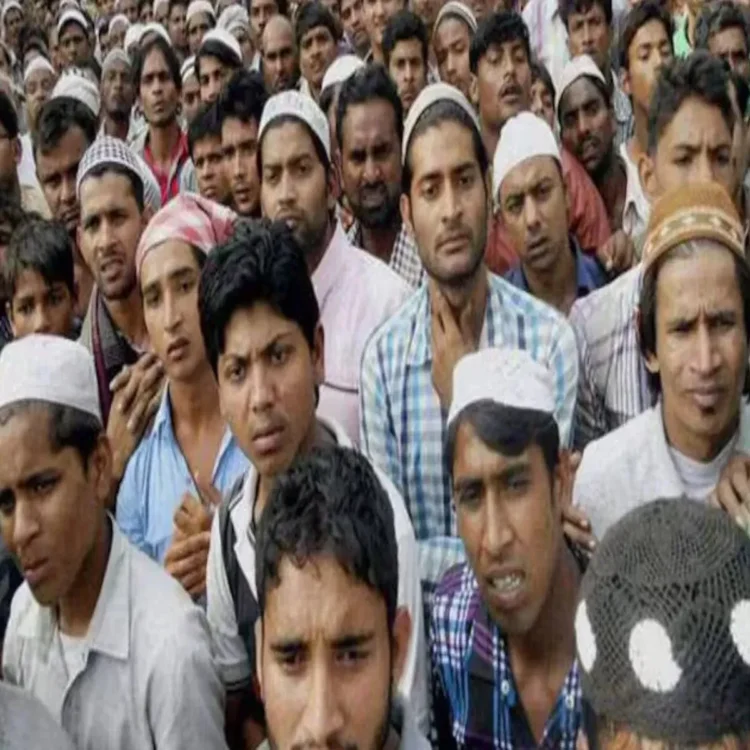
Government Issues New Resolution
On Tuesday, the state’s Social Justice Department released a fresh government resolution revoking an earlier order that introduced a 5 percent quota for Muslims in educational institutions as well as government and semi-government jobs. The earlier decision, announced in July 2014 through an ordinance, had placed Muslims under the Special Backwards Class-A category.
Although the policy was introduced with the intention of extending benefits in admissions and recruitment, it never took firm legal shape. Soon after its announcement, the decision faced legal scrutiny.
Legal Challenges Halted the Policy
The 2014 ordinance was challenged before the Bombay High Court. On November 14 of that year, the court stayed its implementation. This judicial intervention effectively prevented the reservation from being executed in practice.
Under constitutional provisions, an ordinance must be approved by the state legislature within a specified timeframe to become law. In this case, the Maharashtra legislature did not pass the ordinance before the December 23, 2014 deadline. As a result, the measure automatically expired.
The matter later reached the Supreme Court through a Special Leave Petition challenging the High Court’s interim order. While examining the petition, the apex court cancelled the reservation, reinforcing that the provision would not survive.
Ordinance Lapsed, But Order Remained on Record
Despite the ordinance lapsing and the Supreme Court’s ruling, the original government resolution technically remained on official records. No formal step had been taken by the state government to withdraw or annul it in writing.
Officials indicated that the latest resolution was intended to correct that anomaly. By formally cancelling the earlier GR, the administration has removed any residual ambiguity linked to the 2014 decision.
Impact on Admissions and Certificates
With the withdrawal now documented, all related administrative instructions stand void. Authorities clarified that no new admissions will be processed under the 5 percent quota in colleges or educational institutions. Similarly, no caste certificates or validity documents connected to the Special Backwards Class-A classification under that order will be issued going forward.
However, the move is largely procedural in nature. The reservation had not been operational for more than ten years because of two decisive developments: the High Court’s stay and the Supreme Court’s subsequent cancellation, along with the automatic lapse of the ordinance.
A Formal Closure to a Long-Defunct Policy
Government sources described the step as a housekeeping measure aimed at aligning official records with the existing legal position. Since the ordinance never matured into a law and was struck down by the judiciary, the reservation had effectively remained dormant.
Legal experts note that ordinances are temporary executive measures and require legislative approval to continue beyond a limited period. In this case, the absence of legislative backing and judicial intervention meant the quota had no enforceable standing for years.
By issuing the new resolution, the Maharashtra government has now formally closed the chapter on the 2014 Muslim reservation proposal. The decision does not introduce any new policy change but ensures that administrative records accurately reflect the legal status established long ago.
The development underscores the importance of procedural clarity in public policy, particularly in matters involving reservation, constitutional provisions, and judicial review. With the latest order in place, there is no remaining administrative trace of the earlier proposal.