
Blasphemy – Lahore Court Refuses Bail to Blind Christian Accused
Blasphemy – A high court in Pakistan has denied bail to a visually impaired Christian man facing blasphemy charges, despite questions raised about inconsistencies in the police account and witness statements. The decision has renewed debate over the application of blasphemy laws and their impact on religious minorities in the country.
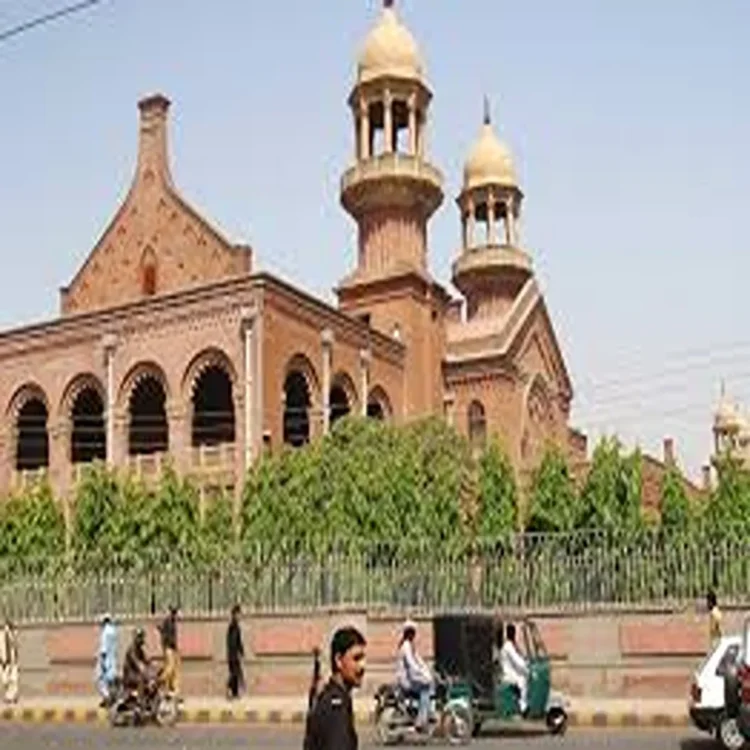
Court Declines Bail Despite Legal Arguments
On February 4, Justice Muhammad Jawad Zafar of the Lahore High Court rejected the bail application of 49-year-old Nadeem Masih. He has been in custody since August 21 under Section 295-C of Pakistan’s penal code, a provision that mandates the death penalty for insulting the Prophet Muhammad.
Masih’s lawyer, Javed Sahotra, told local media that the defence had expected a different outcome. He argued that contradictions in the First Information Report and inconsistencies in prosecution testimonies justified further judicial scrutiny. However, the court observed that releasing the accused at this stage could create a risk of flight or interference with witnesses.
Defence Points to Past Judicial Precedents
In support of the bail plea, the defence cited earlier rulings. One example was a 2024 Lahore High Court case in which bail was granted to a murder suspect who had lost his eyesight while in custody. Another reference was a 2022 Supreme Court decision that allowed bail for Salamat Mansha Masih, a Christian man accused in a separate blasphemy case, after the court questioned the credibility of key witnesses.
Despite these precedents, the court concluded that the circumstances in the present case did not warrant similar relief.
Disputed Timeline and Witness Accounts
According to the police report, Sub-Inspector Muhammad Ayub and his team were patrolling Model Town Park in Lahore at around 11 p.m. when they received information about the alleged offence. Masih, who earned his livelihood by operating a weighing scale in the park, was later arrested.
The defence has challenged the timeline presented by authorities. Sahotra noted that the park typically closes by 9 p.m., casting doubt on the claim that the incident occurred at 11 p.m. He also referred to call data records which, he said, indicate that neither Masih nor the complainant was present at the location during the reported time.
Further concerns were raised about two prosecution witnesses identified as parking contractors. They reportedly told police on August 22 that Masih had made derogatory remarks on August 9, yet they did not file a complaint until nearly two weeks later. The defence argues that the delay weakens the credibility of their statements.
Family Alleges Personal Dispute
Masih’s relatives believe the case may have originated from a local dispute. His mother, 80-year-old Martha Yousaf, said her son was prevented from setting up his weighing stall on August 21. She alleged that he was assaulted before being taken to the Model Town Police Station, where the blasphemy accusation was formally recorded.
The family has also claimed that Masih faced physical mistreatment in custody and was pressured to admit guilt. These allegations have not been independently verified.
Masih had been the primary earner for his household following the deaths of his father and another son. Since his arrest, one of his daughters has begun working in private homes to help sustain the family.
Wider Debate Over Blasphemy Laws
Human rights organisations have repeatedly expressed concern over the implementation of blasphemy laws in Pakistan. In a June 2025 report titled “A Conspiracy to Grab the Land: Exploiting Pakistan’s Blasphemy Laws for Blackmail and Profit,” Human Rights Watch stated that accusations are sometimes used to intimidate vulnerable communities, trigger mob unrest, and seize property.
Although courts occasionally grant bail in such cases, legal relief remains uncommon due to the sensitivity surrounding allegations of blasphemy. International advocacy groups continue to highlight challenges faced by religious minorities. The 2026 World Watch List published by Open Doors ranked Pakistan eighth among countries where Christians encounter significant pressure and discrimination.
The Lahore High Court’s recent ruling is likely to intensify ongoing discussions about due process, minority rights, and the broader legal framework governing blasphemy cases in Pakistan.