
Defense – Taiwan Detects Chinese Naval Ships and Balloon Near Territory
Defense – Taiwan’s Ministry of National Defence (MND) on Wednesday confirmed the detection of five Chinese naval vessels and one high-altitude balloon operating in areas surrounding the island, underscoring continued military activity near its borders.
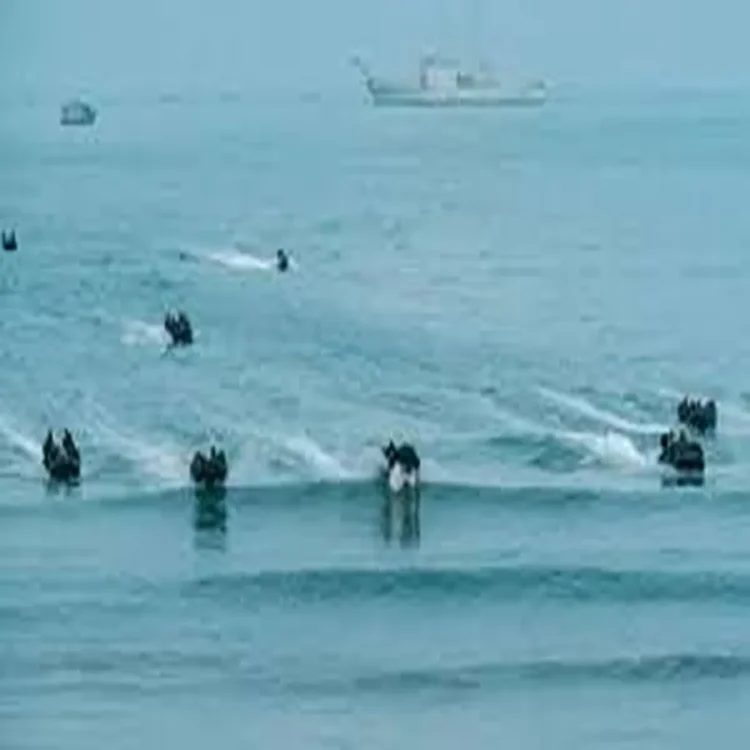
Latest Military Activity Around Taiwan
In a statement released on social media platform X, the ministry said that five vessels from the People’s Liberation Army Navy were tracked near Taiwan until 6 a.m. local time (UTC+8). During the same monitoring period, authorities also identified a balloon believed to be linked to the People’s Republic of China.
The MND stated that Taiwan’s armed forces kept a close watch on the situation and implemented what it described as “appropriate responses.” While no further operational details were disclosed, officials emphasized that surveillance systems remain active to ensure regional security.
This marks the second consecutive day that similar activity has been recorded around Taiwan.
Repeated Incidents This Week
On Tuesday, the defence ministry reported an almost identical pattern of activity, with five Chinese naval ships and one balloon detected within the same timeframe. The recurring presence of naval assets and aerial devices has drawn attention to the increasing tempo of military operations near the island.
Earlier in the week, on Monday morning, Taiwan recorded the approach of three Chinese military aircraft along with six naval vessels operating in nearby waters. According to the ministry, nine out of eleven aircraft sorties crossed the median line of the Taiwan Strait and entered Taiwan’s northern and southwestern Air Defence Identification Zone (ADIZ).
The median line has historically served as an informal boundary between the two sides, though it is not officially recognized by Beijing. Crossings of this line are often viewed by Taipei as a sign of mounting military pressure.
Monitoring and Response Measures
Taiwan’s armed forces have reiterated that they are closely tracking all air and sea movements around the island. Surveillance aircraft, naval patrol ships and land-based missile systems are routinely deployed as part of a broader defensive posture.
Officials have not indicated any direct confrontation arising from the latest detections. However, the ministry’s statements reflect an ongoing pattern of vigilance as military activities in the Taiwan Strait continue.
Security analysts note that the use of balloons alongside naval and air deployments has become a recurring feature in recent months, prompting heightened monitoring by Taiwan’s defence authorities.
President Lai Addresses National Security
Amid the developments, Taiwan President Lai Ching-te, also known as William Lai, sought to reassure the public during his Lunar New Year address on Sunday. According to reports from the Taipei Times, the president said the government remains committed to strengthening national defence while also pushing forward economic growth.
Lai acknowledged that Taiwan has faced significant challenges over the past year. He expressed appreciation for the efforts of the armed forces, coast guard personnel, police officers and civil servants who ensured stability during the holiday period.
He described the past year as one of trials that ultimately reinforced Taiwan’s resilience. The president emphasized that unity and collective effort have enabled the island to navigate uncertainties while maintaining social order.
Focus on Stability and Economic Growth
Looking ahead, Lai pledged that his administration would continue to prioritise national security and social stability. He also highlighted plans to promote economic expansion, support global industrial cooperation and provide assistance to small and micro enterprises.
Government officials say the dual focus on defence preparedness and economic development reflects Taiwan’s broader strategy of safeguarding sovereignty while sustaining growth.
The recent reports from the defence ministry illustrate the delicate security environment in the Taiwan Strait, where military movements are closely monitored and regularly reported. While no escalation has been announced, Taiwan’s authorities maintain that preparedness remains essential amid continued regional tensions.