
Economy – Youth Drive India’s Growth Vision at Delhi College Event
Economy – India’s rising economic ambitions were at the heart of a keynote address delivered on Tuesday, where young citizens were described as the central force behind the country’s transformation into a leading global economy.
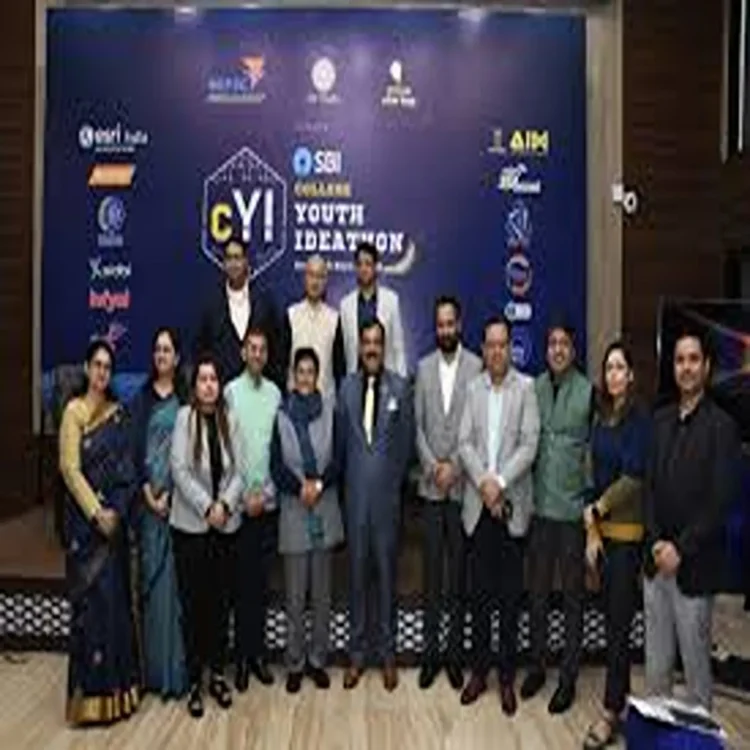
Delhi Legislative Assembly Speaker Vijender Gupta, speaking at the 35th Annual Day and Prize Distribution ceremony of Dr. Bhim Rao Ambedkar College under the University of Delhi, said the nation’s progress rests largely on the determination and creativity of its younger generation. He told students that India is steadily advancing toward its goal of becoming the world’s third-largest economy, and that this journey is being shaped by their participation.
Youth Seen as Architects of National Growth
In his address, Gupta stressed that young people should not view themselves merely as future beneficiaries of a developed India. Instead, he described them as active contributors to the country’s economic and social development. Referring to the broader national roadmap outlined under the vision of a developed India by 2047, he said that innovation, skill development, and responsible citizenship are key pillars of that mission.
He encouraged students to see their academic qualifications as more than formal credentials. A degree, he said, represents a commitment to serve society and address pressing challenges. According to him, the real value of education lies in its ability to foster solutions that promote inclusive growth and strengthen the country’s institutions.
Education as a Tool for Social Transformation
Invoking the message of Dr. Bhimrao Ambedkar, whose legacy forms the foundation of the college’s identity, Gupta highlighted the continued relevance of education in driving social change. He noted that Ambedkar’s call to “Educate, Organize, and Struggle” remains meaningful today, particularly in an era defined by rapid technological advancement and evolving economic demands.
He described Dr. Bhim Rao Ambedkar College as more than an academic campus, calling it a symbol of the transformative power of learning. The institution, he said, reflects a larger aspiration for equality and opportunity, ideals that remain central to India’s democratic framework.
Recognising Academic and Co-Curricular Excellence
The annual function drew members of the college administration, faculty, and a large gathering of students. During the ceremony, meritorious students were honoured for achievements across academics, sports, and extracurricular activities.
Addressing award recipients, Gupta acknowledged their dedication and the role of teachers in guiding their success. He also offered words of encouragement to students who did not receive recognition this year, reminding them that setbacks can be stepping stones to future accomplishments. Effort and perseverance, he said, often define long-term success more than immediate results.
Preparing for Challenges Beyond Campus
Looking beyond graduation, the Speaker urged students to prepare for responsibilities that extend far outside the classroom. He remarked that professional life tests character and resilience more than academic scores. Taking calculated risks and learning from failure, he added, are often essential to meaningful achievement.
Gupta also advised students to balance technological progress with ethical grounding. In a rapidly modernising society, he said, remaining connected to core human values is as important as mastering new skills. He commended the college’s faculty and administration for nurturing students who can contribute responsibly to nation-building.
Showcasing Legislative Heritage
As part of the event, students were shown a documentary titled “Veer Vithalbhai ki Gaurav Gatha,” which traces the evolution of the Delhi Legislative Assembly from 1925 to 2025. Gupta used the occasion to familiarise students with the institution’s historical importance.
He explained that the building now widely referred to as the Old Secretariat once served as the original Secretariat and functioned as India’s first Parliament. By highlighting this history, he sought to connect the younger generation with the democratic traditions that have shaped modern India.
The programme concluded with an atmosphere of reflection and aspiration, as students were reminded that their education carries both opportunity and responsibility.