
Infrastructure – NGT Clears Rs 80,000 Crore Great Nicobar Development Plan
Infrastructure – After months of legal scrutiny and public debate, the National Green Tribunal on Monday approved the long-discussed Great Nicobar infrastructure project valued at Rs 80,000 crore, dismissing petitions that sought to halt its progress.
Tribunal Finds No Legal Basis to Halt Project
A special six-member bench of the National Green Tribunal concluded that there were no compelling reasons to overturn the environmental clearance granted to the project. The panel observed that the required safeguards had been embedded into the approval process and that environmental concerns had been duly examined.
The tribunal’s decision followed detailed hearings during which multiple objections were reviewed. Petitioners had raised concerns about the ecological consequences and the potential social impact of the project. However, the bench determined that these issues had already been considered through established procedures.
NGT Chairperson Justice Prakash Shrivastava noted that the project’s strategic value, combined with other relevant factors, weighed in favor of allowing it to proceed. The tribunal emphasized that it would not intervene in the absence of clear violations or procedural lapses.
Review by High-Powered Committee
Central to the tribunal’s decision was the assessment carried out by a high-level committee formed to revisit the environmental clearance first granted in 2022. The committee was tasked with examining fresh concerns raised by environmental groups and other stakeholders.
According to the tribunal’s observations, the committee reviewed emerging environmental and social issues before reaffirming the clearance. The NGT recorded that this re-evaluation process addressed the objections placed before it, reinforcing the legal standing of the approval.
The project spans approximately 166 square kilometers, with around 130 square kilometers of forest land proposed for diversion. The scale of land use change has been a key point of debate among environmentalists.
Strategic Importance in the Indian Ocean Region
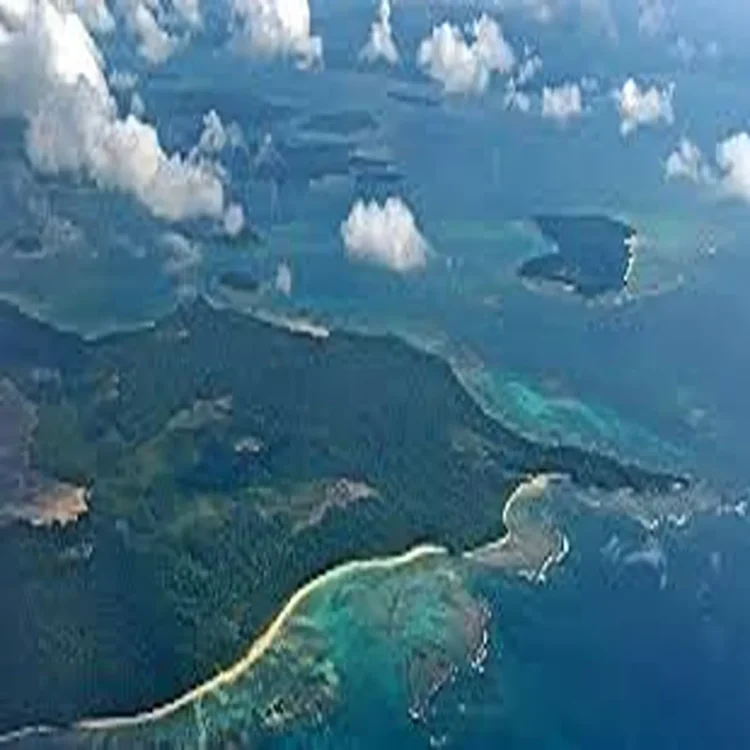
Government authorities have maintained that the development holds significant strategic importance. Located in the Andaman and Nicobar archipelago, Great Nicobar Island sits close to key international shipping routes in the Indian Ocean Region.
The plan includes the construction of a transshipment port aimed at boosting India’s maritime trade capacity. Additional components include a dual-use airport designed to serve both civilian and defense purposes, as well as supporting infrastructure intended to enhance connectivity and economic activity in the region.
Officials argue that the project could strengthen India’s presence in strategically sensitive waters, particularly at a time when geopolitical competition in the Indian Ocean has intensified.
Environmental and Tribal Concerns
Environmental groups have consistently voiced opposition, warning of possible ecological disruption. Critics argue that large-scale forest diversion may affect biodiversity, fragile ecosystems, and wildlife habitats unique to the island.
Concerns have also been raised regarding indigenous communities residing in the region. Conservationists fear that rapid infrastructure expansion could alter traditional ways of life and place pressure on vulnerable tribal populations.
The Congress party described the tribunal’s approval as disappointing. Party leader Sonia Gandhi had earlier cautioned that the project could pose serious risks to indigenous communities if not implemented with adequate sensitivity and protection measures.
Balancing Development and Conservation
The tribunal’s ruling marks a significant milestone for one of India’s most ambitious infrastructure proposals. At the same time, it brings renewed focus on the broader debate over balancing national development objectives with environmental sustainability.
While the NGT has allowed the project to move forward, the effectiveness of the promised safeguards is likely to remain under public scrutiny. Monitoring mechanisms and compliance with environmental conditions will play a crucial role in determining how the development unfolds in the coming years.
As work advances, attention will likely center on whether ecological protections and community safeguards are implemented as outlined in the clearance conditions.