
Counterinsurgency – Security Forces Intensify Push to End Maoist Network by March 31
Counterinsurgency – Security agencies say they remain on track to meet the March 31 deadline set by Union Home Minister Amit Shah to eliminate the operational presence of Maoist groups across the country. While combing missions in forested regions are nearing completion, authorities have now expanded their focus to dismantling the ideological foundations that have sustained the insurgency for decades.
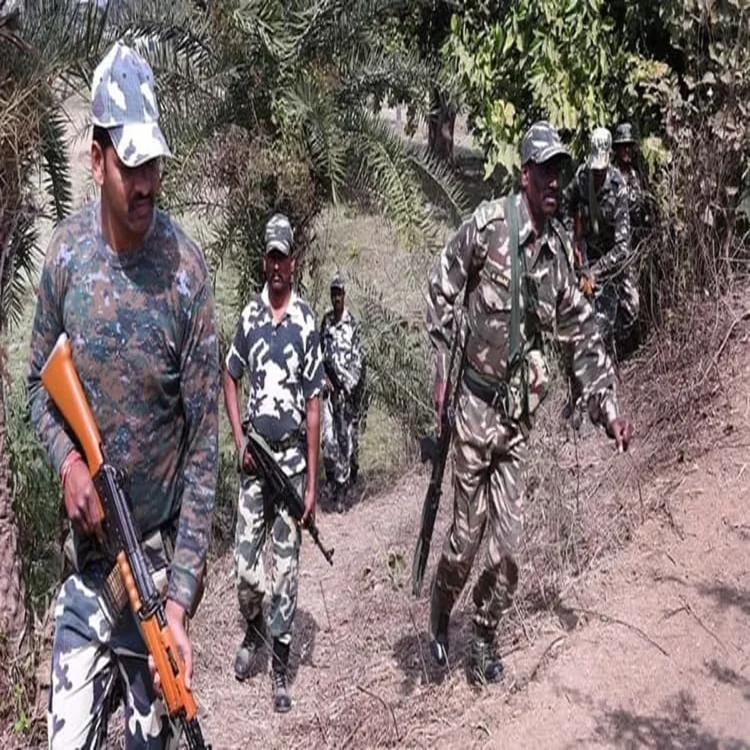
Strategy Expands Beyond Armed Operations
Officials involved in the ongoing campaign describe the effort as entering a decisive phase. According to a senior officer overseeing field operations, neutralizing armed cadres is only one aspect of the larger objective.
“An armed movement may fade, but its ideas can continue to influence people if left unchallenged,” the officer said. He stressed that the government’s approach now includes preventing the spread or revival of Maoist ideology in both urban centers and remote districts.
Security agencies have adopted different strategies for cities and rural strongholds. Urban monitoring efforts have increased following intelligence warnings last year about attempts to reintroduce Maoist narratives into civil society platforms.
Urban Investigations and Funding Scrutiny
In 2019, the National Investigation Agency began probing what later came to be known as the “urban naxal” case. Investigators alleged that certain individuals operating non-governmental organizations were misusing foreign contributions to indirectly support banned outfits.
The inquiry led to multiple arrests. Officials claimed they uncovered evidence of wider conspiracies, including plans that could threaten national security and target prominent individuals. The case also revealed attempts to use public protests as platforms to amplify messaging sympathetic to Maoist causes.
An Intelligence Bureau officer explained that agencies observed activists inserting pro-Maoist slogans into unrelated demonstrations, including environmental protests. “The objective was to exploit legitimate public concerns and gradually normalize extremist messaging,” the officer said.
Memorials in Forest Areas Removed
Parallel to urban vigilance, ground forces have launched a campaign in Maoist-affected regions to dismantle symbolic structures associated with the movement. The Central Reserve Police Force has been removing memorials erected in forested pockets of Chhattisgarh, particularly in districts such as Sukma, Bastar, and Bijapur.
So far, 53 memorial sites built by the banned Communist Party of India (Maoist) to honor fallen leaders have been demolished. Authorities say tree plantation drives are being conducted at these locations to restore the forest cover and prevent the areas from becoming gathering points.
A senior official noted that such sites could potentially serve as rallying centers in the future. “If these places become venues for periodic gatherings, it could gradually reignite support for the movement,” he said. He added that preemptive action would reduce the likelihood of renewed mobilization or confrontations with security forces.
Preventing Revival After Leadership Loss
The intensified efforts follow a major encounter in which Maoist leader Nambala Keshava Rao, also known as Basavaraju, was killed along with 26 others. After the operation, police reported attempts by sympathizers to organize a large public funeral.
The Chhattisgarh Police declined to release the body to individuals claiming to be relatives, citing insufficient documentation to establish their identity. Some petitioners approached the court, which directed them to coordinate with local authorities.
Police officials said they had credible information suggesting plans to use the funeral as a platform for public mobilization and propaganda. Human rights groups later arrived in the state and criticized the handling of the cremation, alleging that it took place without family members present.
Authorities, however, defended their actions. A senior officer stated that allowing a high-profile ceremony could have contributed to the glorification of extremist figures. “The goal is not only to end armed violence but also to prevent any narrative that could revive it,” he said.
Local Support Signals Shift
Officials involved in the forest operations observed that villagers in affected districts did not resist the removal of memorials. On the contrary, some residents reportedly expressed relief, saying prolonged violence had disrupted their livelihoods for years.
Security agencies view this response as a positive sign that public sentiment in former strongholds may be shifting. As the March 31 deadline approaches, authorities maintain that both operational and ideological measures are essential to ensure that the Maoist insurgency does not regain ground in the future.