
RegionalIntegration – Yunus Flags Economic Potential of Broader Subregional Cooperation
RegionalIntegration – Bangladesh’s outgoing interim Chief Advisor Muhammad Yunus has underscored the need for closer regional economic engagement while acknowledging diplomatic sensitivities surrounding India’s northeastern states.
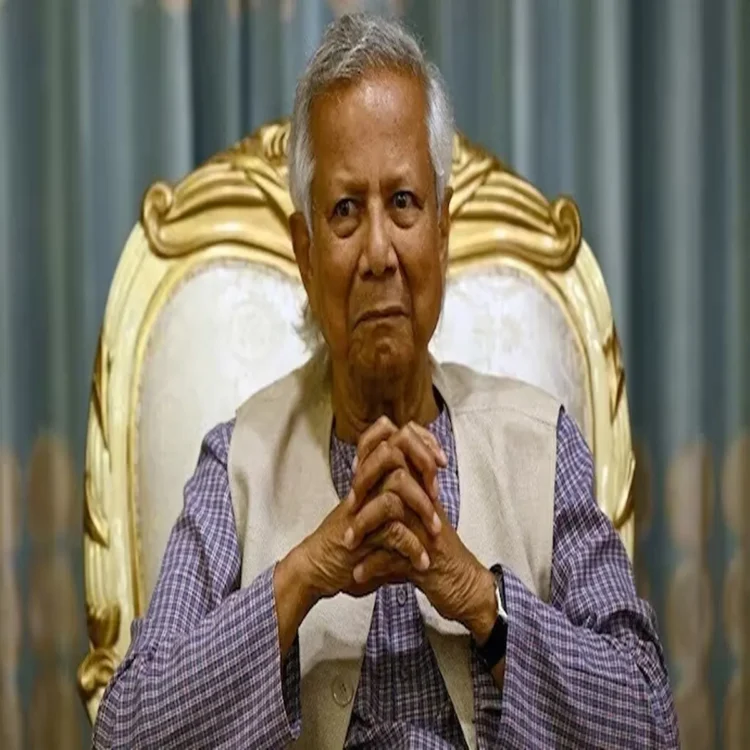
Bangladesh’s departing interim government head Muhammad Yunus used his farewell address to spotlight what he described as the untapped economic strength of deeper regional connectivity involving Nepal, Bhutan and India’s northeastern region. His remarks, however, have triggered debate over diplomatic nuance at a delicate moment in relations between Dhaka and New Delhi.
Emphasis on Shared Economic Potential
In a nationally televised speech, Yunus spoke about Bangladesh’s geographical position and its access to the Bay of Bengal, calling it a gateway to global markets. He suggested that stronger economic collaboration between Bangladesh, Nepal, Bhutan and the northeastern states of India—often collectively referred to as the “Seven Sisters”—could unlock substantial growth for the broader region.
“Our coastline is more than a boundary; it offers access to global trade,” Yunus said, according to local media reports. He added that closer engagement across the subregion could help harness economic opportunities that remain largely underdeveloped.
The “Seven Sisters” is a commonly used expression for India’s northeastern states, a strategically significant and culturally distinct part of the country.
Diplomatic Concerns Surface
Yunus’s reference to India’s northeastern states alongside sovereign countries has drawn criticism from observers who view the phrasing as diplomatically awkward. Analysts note that equating Indian states with independent nations may be interpreted as insensitive, particularly at a time when both governments are attempting to stabilize ties.
Relations between Bangladesh and India have experienced strain since the removal of the Sheikh Hasina-led government in 2024. Political changes in Dhaka have introduced new uncertainties into a partnership that had previously seen expanded cooperation in trade, connectivity and security.
Earlier Controversy During China Visit
The latest remarks follow earlier controversy in March 2025, when Yunus, during a visit to China, described India’s northeastern states as “landlocked” and portrayed Bangladesh as their “only guardian of the ocean.” Those comments were widely criticized in India.
Among those who responded strongly was Assam Chief Minister Himanta Biswa Sarma, who called the remarks “offensive and strongly condemnable.” The reaction reflected broader concern in India about references perceived as touching upon territorial sensitivities.
India Withdraws Trans-shipment Facility
In April 2025, India announced that it would discontinue a trans-shipment facility that had enabled Bangladesh to send export cargo to third countries through Indian ports and airports. While New Delhi cited logistical challenges, some analysts viewed the move as unfolding amid heightened diplomatic friction.
During a press briefing, Ministry of External Affairs spokesperson Randhir Jaiswal explained that the arrangement had caused congestion at Indian ports and airports. He noted that delays and rising costs were affecting Indian exporters and creating operational backlogs. The facility was formally withdrawn effective April 8, 2025.
Jaiswal clarified that the decision would not affect Bangladeshi exports to Nepal or Bhutan passing through Indian territory.
Internal Challenges in Bangladesh
Beyond foreign policy, Bangladesh continues to face domestic pressures. The period following the July 2024 protests, which led to the departure of former Prime Minister Sheikh Hasina, has been marked by reports of rising crime, mob violence and attacks on minority communities, particularly Hindus.
The interim administration led by Yunus had pledged to restore order and strengthen the rule of law. However, more than a year into its tenure, concerns remain about public safety and political stability.
Experts say the government must address persistent unrest while also countering the influence of extremist elements that have gained visibility during the 18-month interim period. At the same time, Dhaka faces the task of managing complex regional relationships as it navigates this transitional phase.
As Yunus prepares to step down, his call for broader regional integration underscores both the economic possibilities and the diplomatic sensitivities shaping South Asia’s evolving landscape.