
NuclearTalks – Iran Foreign Minister Heads to Geneva for US Negotiations
NuclearTalks – Iran’s foreign minister departed Tehran on Sunday for Geneva, where a second round of negotiations with the United States is scheduled to take place this week. The talks, which will again be conducted indirectly, are part of ongoing efforts to address tensions surrounding Iran’s nuclear activities.
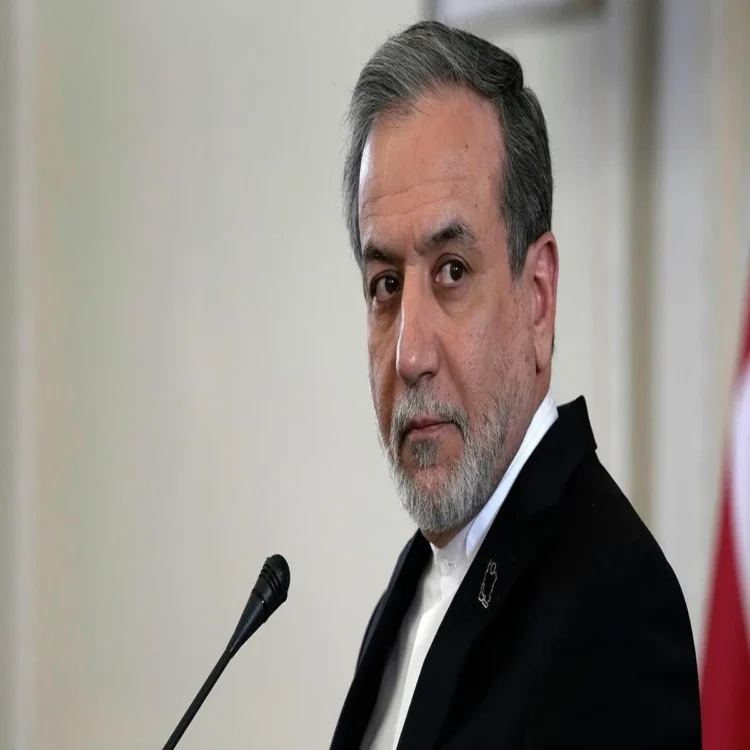
State media confirmed that Foreign Minister Abbas Araghchi is leading a delegation to Switzerland after an initial round of discussions was held in Oman last week. According to official reports, Oman will continue to serve as a mediator when negotiations resume in Geneva.
Oman Continues Mediation Role
The first round of discussions, hosted in Muscat, marked a renewed attempt to ease a standoff that has deepened over the past year. Omani officials have positioned themselves as intermediaries between Tehran and Washington, facilitating indirect exchanges rather than face-to-face meetings.
Diplomatic sources say the choice of Geneva reflects a neutral setting often used for sensitive international negotiations. Switzerland has historically hosted high-level talks related to global security and arms control.
Background of Previous Breakdown
Efforts to reach an understanding on Iran’s nuclear activities faced setbacks last year when hostilities erupted in the region. A military confrontation between Iran and Israel escalated into a 12-day conflict that included U.S. airstrikes on Iranian nuclear facilities. The violence effectively halted earlier diplomatic progress.
Since then, tensions have remained elevated. Regional governments, particularly in the Gulf, have expressed concern that further military action could destabilize an already fragile security environment.
Washington’s Position on Enrichment
The administration of U.S. President Donald Trump has taken a firm stance on uranium enrichment. American officials have stated that Iran should not be permitted to enrich uranium under any arrangement. Tehran has rejected that demand, describing enrichment as a sovereign right under international agreements.
President Trump has repeatedly warned that failure to reach a deal could result in military consequences. Iranian leaders, in turn, have cautioned that any attack on their territory would prompt a response. The exchange of warnings has contributed to uncertainty around the outcome of the negotiations.
Iran’s Nuclear Activities Under Scrutiny
Iran maintains that its nuclear program is intended solely for civilian energy and research purposes. However, international monitors have reported that uranium enrichment levels reached 60 percent purity before the outbreak of hostilities in June. That level is technically close to weapons-grade material, raising concern among Western governments.
Although Iranian officials continue to emphasize peaceful intentions, some statements from political figures in Tehran have hinted at the possibility of revisiting the country’s nuclear posture if external pressure intensifies.
The International Atomic Energy Agency has played a central role in monitoring Iran’s facilities. Its director general is expected to hold discussions with Araghchi during his stay in Geneva. The meetings are seen as important for clarifying inspection arrangements and technical oversight.
Diplomatic Engagement Beyond the US Talks
In addition to the negotiations with Washington, Araghchi is scheduled to meet counterparts from Switzerland and Oman. These discussions are expected to focus on diplomatic coordination and regional stability.
Observers say the coming days will test whether both sides are prepared to narrow their differences. While no breakthrough is anticipated immediately, officials involved in the process have described continued dialogue as essential to preventing further escalation.
The outcome of the Geneva meetings may shape the next phase of relations between Tehran and Washington, as well as broader security dynamics across the Middle East.