
Tourism – Panel Urges Civilisational Focus at Pilgrimage Sites
Tourism – A parliamentary committee has called for a shift in the way India’s major pilgrimage centres are presented, urging that they be developed as spaces for learning and cultural engagement alongside spiritual practice.
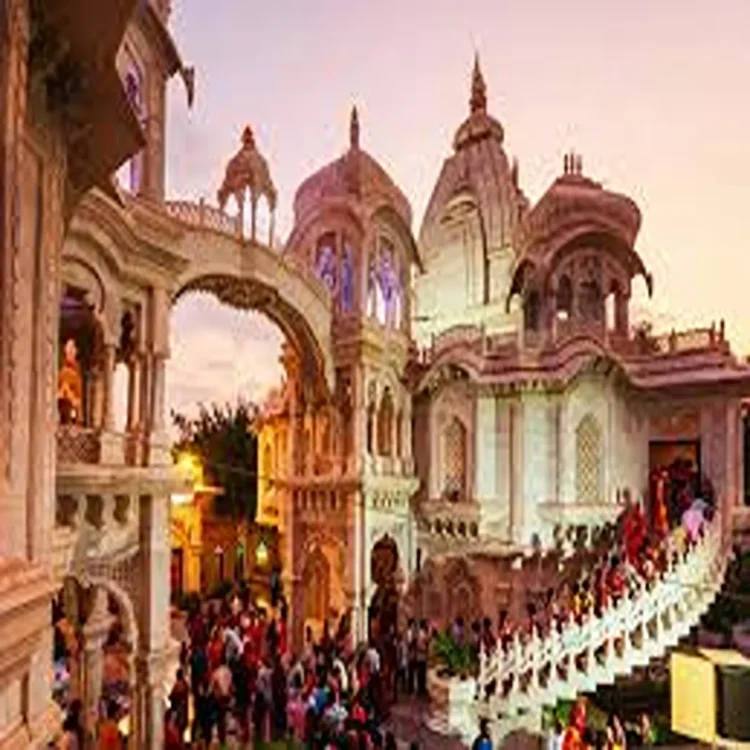
Panel Suggests Knowledge-Centred Approach
In a report tabled in Parliament on Friday, the Standing Committee on Transport, Tourism and Culture recommended that leading religious destinations should evolve into what it described as Civilisational Knowledge Hubs. The panel, chaired by Rajya Sabha member Sanjay Kumar Jha, said recent infrastructure upgrades at key sites must now be complemented by structured interpretation and scholarship.
Among the locations referenced were the Kashi Vishwanath Corridor in Varanasi, the Ram Mandir complex in Ayodhya, the Mahakaleshwar Corridor in Ujjain, and the Char Dham circuit in Uttarakhand. While acknowledging the extensive public investment in these projects, the committee noted that the visitor experience remains largely confined to rituals and crowd movement.
Beyond Infrastructure to Interpretation
According to the report, the next stage of development should centre on storytelling and contextual understanding. It stressed that guides at heritage and pilgrimage sites must be trained not only to describe architectural elements but also to explain the historical, philosophical and cultural layers associated with each location.
The committee argued that every guide should function as an interpreter, capable of connecting visitors with the deeper traditions linked to the sites. Homestay operators, it added, can also play a meaningful role by sharing local customs, oral histories and everyday cultural practices with guests.
By doing so, the panel said, these destinations can become living classrooms where travellers depart with a broader appreciation of India’s civilisational journey.
Report Highlights Untapped Cultural Depth
Titled “Holistic Development of India’s Tourism Sector through Formal Skill Development, University-Level Courses and Professional Training for Guides, Hospitality and Eco-Tourism,” the report outlines 34 recommendations aimed at strengthening the tourism ecosystem.
It observed that while crowd management and physical infrastructure have improved significantly in recent years, the intellectual and cultural potential of these sites remains underutilised. The panel pointed out that traditions connected to philosophy, art, music, astronomy, ecology and social history are often not explained to visitors in a structured manner.
To address this gap, the committee proposed the creation of a dedicated knowledge and interpretation stream within a National Tourism Professional Cadre. This proposed framework would include cultural interpreters, researchers, narrative designers and digital heritage specialists.
Destination-Level Narrative Teams Proposed
One key recommendation involves setting up narrative teams at major destinations. These teams, drawn from universities, cultural institutions and tourism bodies, would collaborate to translate academic research into accessible content for visitors.
The committee clarified that this initiative would not require new statutory authorities. Instead, it suggested better coordination and deployment of existing academic and institutional resources.
The aim, the report stated, is to ensure that scholarship is communicated in a manner that is both accurate and engaging, enabling visitors to understand the broader historical and cultural significance of the sites they visit.
Emphasis on Digital Heritage Content
The panel also highlighted the importance of developing digital heritage material created within India. It noted that much of the global content about Indian heritage is produced externally and may not fully capture the complexity and nuance of local traditions.
Expanding India-origin digital content across languages and platforms, the committee said, would strengthen authenticity and ensure more balanced representation in global digital spaces. It described this effort as an important step in reinforcing India’s cultural voice internationally.
Transparent Guide Booking System Recommended
To improve visitor services, the report suggested launching a government-operated digital platform for booking certified guides. The proposed system would allow tourists to access verified profiles, including language skills, areas of expertise, ratings and real-time availability.
Such a platform, the committee said, would promote transparency in pricing and reduce reliance on intermediaries who often control access at major sites. Digital payments and clear fee structures could help prevent overcharging and disputes.
Overall, the panel’s recommendations seek to reposition tourism as a knowledge-driven sector, where professional training, academic collaboration and cultural interpretation work together to enhance the visitor experience. By integrating education with devotion, the committee believes India’s prominent pilgrimage centres can offer a richer and more meaningful engagement with the country’s heritage.