
TradeDeal – India and Canada Say Economic Talks Back on Course
TradeDeal – India’s High Commissioner to Canada, Dinesh Patnaik, has said relations between the two countries have regained stability and are moving ahead with renewed purpose. In a recent interview, he described the bilateral partnership as being in a strong position and expressed optimism that formal negotiations on a Comprehensive Economic Partnership Agreement could begin within weeks.
Diplomatic Engagement Gains Fresh Momentum
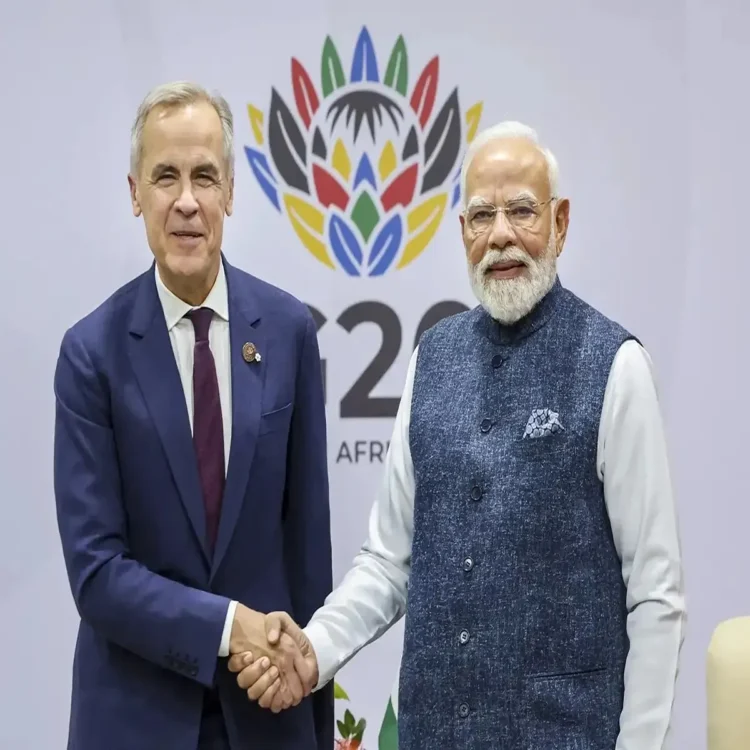
According to Patnaik, the shift in tone became visible after Canadian Prime Minister Mark Carney met Indian Prime Minister Narendra Modi during the G7 summit in Kananaskis. That interaction, he indicated, provided fresh direction to diplomatic engagement following a challenging period in ties.
Since then, both governments have moved quickly to rebuild formal channels. High Commissioners have been appointed, and there has been a series of ministerial visits covering portfolios such as foreign affairs, trade, and energy. Parliamentary exchanges and sector-specific delegations have also resumed, signalling a coordinated effort to restore trust and accelerate cooperation.
Patnaik noted that discussions have not been limited to trade alone. Officials from both sides have addressed issues ranging from national security and law enforcement coordination to mining, clean energy, education partnerships, and artificial intelligence development.
CEPA Talks Expected to Begin Soon
The proposed Comprehensive Economic Partnership Agreement, often referred to as CEPA, is expected to become the centrepiece of the renewed engagement. Patnaik indicated that procedural steps are already underway in Canada, including a required 90-day notice to Parliament. If timelines proceed as planned, negotiations could begin by late February or early March.
He suggested that concluding an agreement may not be overly complicated, pointing out that both prime ministers had earlier agreed at the G20 summit in Johannesburg to move forward with discussions. With groundwork already laid during previous rounds of dialogue, officials believe many core issues have been substantially examined.
Changing Economic Landscape Shapes Discussions
Patnaik emphasized that the economic context has evolved significantly since earlier free trade negotiations between the two nations. India has emerged as one of the world’s largest economies and is expected to continue climbing in global rankings. This shift, he said, has influenced New Delhi’s trade strategy and bargaining position.
In recent years, India has signed or advanced trade agreements with several partners, including the European Free Trade Association, the European Union, the United Kingdom, Australia, and the United Arab Emirates. These agreements have required adjustments in tariff structures and regulatory approaches, changes that may ease progress in talks with Canada.
Canada’s own trade arrangements with European and Asian economies could also simplify negotiations, as certain regulatory frameworks and market access provisions already align with India’s evolving trade commitments.
Shared Democratic Framework and Multilateral Cooperation
Addressing questions about political and governance differences, Patnaik underscored that both nations operate as democracies with rule of law, free press systems, and market-based economies. He highlighted continued collaboration across multilateral platforms, including the United Nations, the G7, and the G20.
In his view, a comprehensive economic partnership is designed to streamline cooperation across sectors rather than limit it to tariff reductions. Lower trade barriers, smoother logistics, investment facilitation, and collaboration in research and emerging technologies are all expected to feature prominently. Areas such as defence, aerospace, mining, energy, and artificial intelligence are likely to receive particular attention.
People-to-People Ties Remain Strong
Despite diplomatic tensions over the past two years, Patnaik said economic and social linkages between the two countries remained resilient. Bilateral trade volumes continued to grow, financial institutions maintained operations, and academic exchanges persisted without major disruption.
Canada is home to a large Indian-origin community, and educational links between universities in both countries have long been a cornerstone of the relationship. Cooperation in critical minerals, clean energy, and technology has also expanded in recent years.
While political differences had strained official engagement, both governments have now signalled a clear intention to stabilize and strengthen the partnership. With negotiations on CEPA expected to begin shortly, officials on both sides appear focused on turning renewed dialogue into a lasting economic framework.