
Mahashivratri – Five Sacred Offerings Devotees Prepare for Shiva Worship
Mahashivratri – Mahashivratri stands among the most revered observances in Sanatan Dharma, drawing millions of devotees into temples and homes for night-long prayers dedicated to Lord Shiva. The festival is marked by fasting, meditation, and elaborate rituals performed with deep faith. Devotees believe that sincere worship on this sacred night invites divine blessings and spiritual growth. Religious texts describe Mahashivratri as an especially powerful occasion when prayers offered with a pure heart are believed to bear fruit.
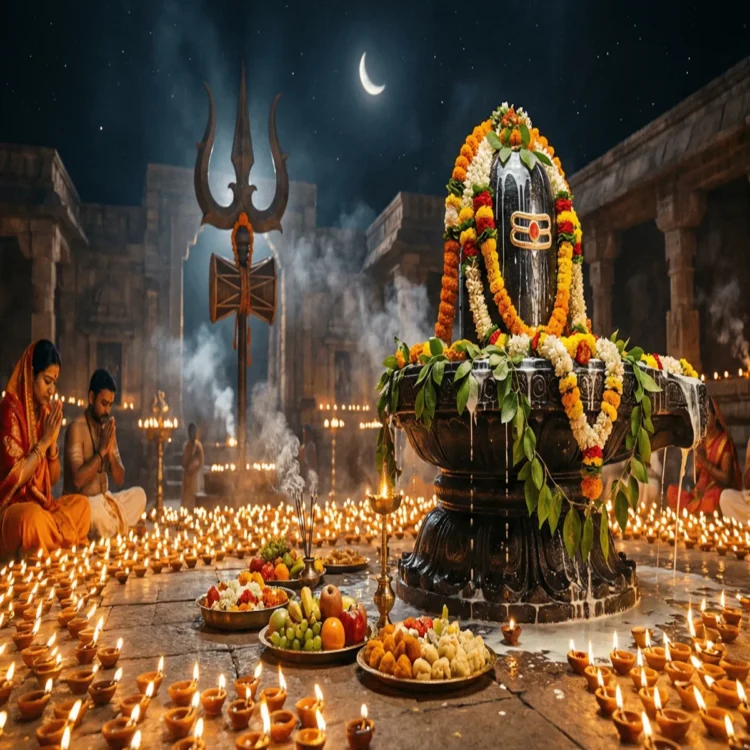
Significance of Ritual Offerings on Mahashivratri
According to ancient scriptures, worship of Lord Shiva is simple yet meaningful. He is often described as a compassionate deity who responds even to the humble offering of water poured over the Shivalinga. However, tradition also speaks of certain sacred items that are considered essential for completing the rituals properly. Including these offerings in the puja is believed to enhance the spiritual merit of the worship and deepen the devotee’s connection with the divine.
Belpatra Considered Essential in Shiva Puja
Among all offerings, Belpatra holds special importance in Shiva worship. Religious beliefs state that Lord Shiva is especially fond of these sacred leaves. Offering fresh Belpatra to the Shivalinga is seen as a gesture of devotion that invites peace and well-being into one’s life. Scriptures further describe the leaf as symbolically associated with divine energies, making it a key component of Mahashivratri rituals. Devotees often ensure they collect clean and unbroken Belpatra leaves in advance to prepare for the auspicious night.
Datura Flowers and Fruits in Ritual Tradition
Datura is another offering closely linked with Lord Shiva. Both its flowers and fruits are traditionally presented during the puja. Mythological references highlight Datura as dear to the deity, and its inclusion in Mahashivratri worship is believed to carry spiritual significance. Devotees add Datura to the ritual offerings with the belief that it reflects surrender and devotion, qualities highly valued in Shiva worship.
Saffron Fragrance and Its Spiritual Symbolism
Saffron, particularly red saffron, is also mentioned in religious practices connected with Mahashivratri. Its fragrance and vibrant color are considered symbols of purity and auspiciousness. During the puja, saffron is offered to the Shivalinga as part of the ritual materials. Devotees believe that this offering represents dedication and reverence, strengthening their spiritual intent during prayer.
Shami Leaves and Flowers in Sacred Observance
The Shami tree carries religious importance in various Hindu traditions, including Mahashivratri. Leaves and flowers from this tree are offered while performing worship of the Shivalinga. According to belief, presenting Shami leaves signifies humility and devotion. Many devotees include this offering in their ritual preparations, trusting that sincere prayer combined with traditional practices helps remove obstacles and bring positive outcomes.
Honey as a Symbol of Sweetness and Prosperity
Honey is commonly included among the sacred items used in Mahashivratri worship. It is offered during ritual bathing of the Shivalinga as part of traditional practices. Honey symbolizes sweetness and harmony, reflecting the devotee’s wish for peace and prosperity in life. Religious customs suggest that offering honey represents gratitude and the desire for balanced, joyful living.
Mahashivratri is not only a night of rituals but also a time of reflection and devotion. While Lord Shiva is believed to be easily pleased by heartfelt prayer alone, scriptures emphasize the value of certain traditional offerings in completing the worship process. Belpatra, Datura, saffron, Shami leaves, and honey remain among the most commonly included items in Mahashivratri rituals. For devotees observing the fast and performing the puja, these sacred elements form an integral part of honoring Lord Shiva with faith and reverence.