
Apple Imports – Himachal Growers Voice Concerns Over US Apples
Apple Imports – Apple growers in Himachal Pradesh have expressed concern over the Union Government’s move to allow imports of Washington apples from the United States at a proposed minimum import price of Rs 80 per kilogram. Farmer groups say the development comes at a difficult time, as orchardists in the hill state continue to recover from successive natural disasters that disrupted production and damaged infrastructure.
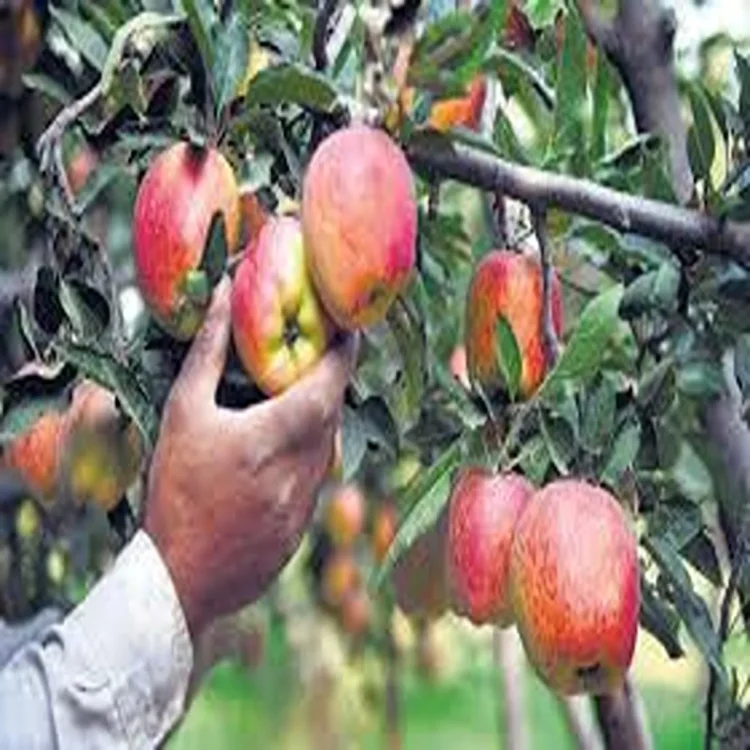
Farmers Fear Price Pressure on Domestic Produce
Representatives of grower bodies argue that cheaper imported apples could strain the local apple economy, which supports thousands of families across the region. Harish Chauhan, convener of the Sanyukt Kisan Manch, said the reduction in import duty on US apples may narrow the price gap between foreign and domestic fruit, creating stiff competition in wholesale and retail markets.
Chauhan dismissed claims that American apples were earlier entering India at Rs 75 per kilogram. He explained that the landing cost of Washington apples previously stood at around 28 US dollars for an 18 kg carton, translating to approximately Rs 143 per kilogram. With the recent adjustment in trade terms, import duty has been cut from 50 percent to 25 percent, while the minimum import price has been raised from Rs 50 to Rs 80 per kilogram. According to him, these changes could bring the effective market price of US apples to around Rs 100 per kilogram, nearly Rs 43 lower than earlier estimates.
Import Volumes and Market Impact
Growers point to import data from recent years to underline their concerns. Over 60,000 metric tonnes of apples were imported from the United States last year. The figures stood at 37,000 metric tonnes in 2024, 7,000 metric tonnes in 2023, and 5,000 metric tonnes in 2022, when India had imposed an additional 20 percent duty. Farmer leaders fear that the reduced tariff could push imports closer to earlier highs, increasing supply in domestic markets.
They argue that if imported apples are sold at around Rs 100 per kilogram, locally produced premium varieties will struggle to maintain a competitive edge. With both products available in a similar price range, consumers may be inclined to try imported fruit, especially in urban markets where presentation and branding play a significant role.
Storage Costs Add to Growers’ Burden
Another point of concern relates to storage and logistics. Premium Himachal apples are often kept in controlled atmosphere facilities to extend shelf life and maintain quality. Chauhan noted that maintaining such storage facilities adds substantial cost. When storage and transport expenses of roughly Rs 40 per kilogram are factored in, locally grown premium apples could retail between Rs 130 and Rs 140 per kilogram. In comparison, imported apples priced around Rs 100 per kilogram may appear more attractive to buyers.
Lokinder Bisht, president of the Progressive Growers Association, said domestic premium apples typically sell between Rs 100 and Rs 150 per kilogram. If imported fruit is available at similar rates, he warned, local growers may face downward pressure not only on premium varieties but also on lower grades. He suggested that a higher minimum import price of Rs 100 per kilogram might have offered better protection to domestic producers.
Divided Views Within the Industry
Despite these concerns, not all growers view the policy shift as a major threat. Some orchardists believe that Himachal apples can compete on quality, freshness, and consumer trust. A leading grower from the region said the focus should shift toward improving productivity and quality rather than relying solely on trade safeguards.
He emphasized the need for better planting material, scientific orchard management, and government-backed subsidies to modernize apple cultivation. In his view, strengthening production standards would enable domestic apples to stand firm against international competition.
As the new trade framework takes effect, stakeholders across the apple supply chain will be watching closely to assess how pricing, consumer preferences, and import volumes evolve in the coming months.