
TradeDeal – India and US Reset Terms After Tariff Standoff
TradeDeal – The long-anticipated trade understanding between the United States and India has finally taken shape, closing months of speculation over how far New Delhi would go under mounting tariff pressure from Washington.
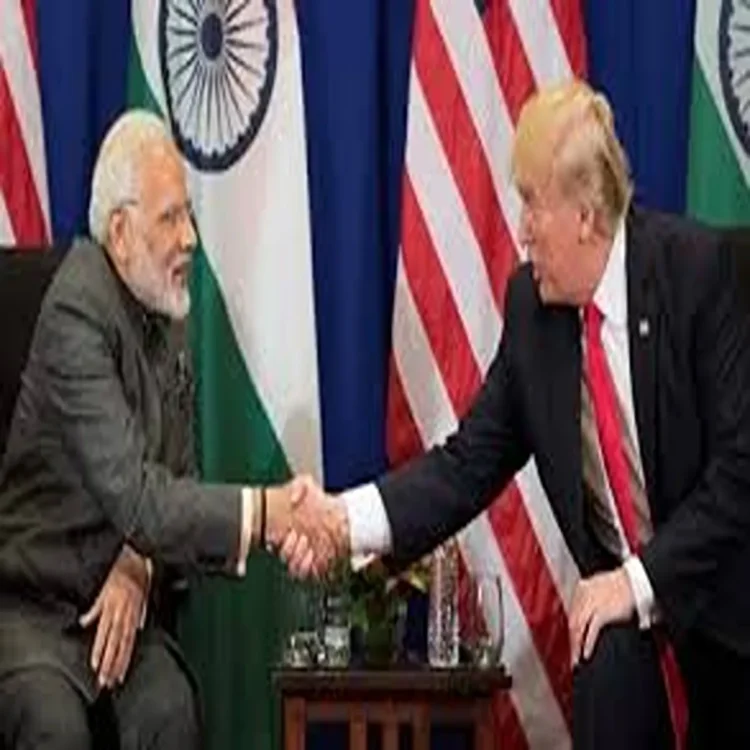
For weeks, policymakers and industry leaders watched closely as talks between the two countries appeared to stall. Many observers believed India would eventually concede to American demands. Instead, Prime Minister Narendra Modi adopted a cautious yet firm approach, signalling flexibility without surrendering core interests. The outcome reflects that strategy: a revised tariff arrangement that shifts the tone of bilateral commerce.
Tariff Relief After Months of Escalation
Under the new framework announced by the administration of Donald Trump, Indian exports will now face an 18 percent tariff. Previously, goods from India had been subject to a 25 percent levy, along with an additional 25 percent penalty tied to New Delhi’s purchase of Russian oil, effectively doubling the burden to 50 percent. That rate had been the steepest imposed on any trading partner.
The revised tariff places India in a comparatively better position than several other nations. Pakistan faces a 19 percent rate, while Bangladesh and Vietnam are at 20 percent, and China remains at 34 percent. Although the complete details of the agreement are still awaited, the rollback marks a significant shift from the earlier hardline stance.
Sergio Gore, the newly appointed US Ambassador to India and a close associate of the Trump family, is widely believed to have played a constructive role in rebuilding momentum. Sergio Gore has been credited in diplomatic circles with helping restore dialogue at a time when relations appeared strained.
Strategic Silence and Calculated Diplomacy
In the run-up to the agreement, President Trump made several public remarks, suggesting India would scale back oil imports from Russia, expand bilateral trade to $500 billion, and open its agriculture and dairy sectors to American producers. These comments generated debate in policy circles. However, the Indian government maintained that its agricultural and dairy interests were non-negotiable.
Notably, Prime Minister Modi refrained from publicly challenging the US president’s assertions. His silence, analysts suggest, was deliberate. Earlier rounds of negotiations, including discussions held during his February visit to the United States, had ended without agreement. When tariffs were first introduced in April and later increased in July and August, New Delhi avoided direct confrontation. Instead, it reiterated one position consistently: no deal would be signed under coercion.
Expanding Trade Beyond Washington
While tariff tensions persisted, India moved swiftly to diversify its trade partnerships. Agreements were concluded with the United Kingdom, Oman, and New Zealand. More significantly, India advanced negotiations with the European Union, a bloc of 27 nations, most of which use the euro. That development drew attention in Washington, particularly as US-EU trade discussions have stretched on for years without resolution.
Diplomatic observers noted that pressure tactics may have accelerated cooperation between India and the EU. By broadening its commercial footprint, New Delhi signalled it would not rely exclusively on any single market.
Geopolitical Signals and Market Realities
India also projected strategic independence on the global stage. Prime Minister Modi shared platforms with Chinese President Xi Jinping and Russian President Vladimir Putin, underscoring New Delhi’s commitment to a multipolar world order. When invited to Washington during a period that coincided with a visit by Pakistan’s army chief, Asim Munir, India chose not to proceed.
Commerce Minister Piyush Goyal led several rounds of negotiations aimed at protecting domestic interests while keeping dialogue open. External Affairs Minister S Jaishankar also engaged extensively with counterparts abroad. Their combined efforts helped maintain communication even during peak tensions.
Rebuilding Trust After Strain
Despite the breakthrough, questions remain about the lingering mistrust between the two countries. Commentators in the American media have acknowledged that years of diplomatic progress faced strain during the tariff escalation. Restoring confidence may require sustained engagement from both sides.
India has consistently emphasised balanced relationships with major powers, including its longstanding partnership with Russia. That position, rooted in strategic autonomy, continues to guide its foreign policy decisions.
For now, the revised tariff arrangement offers breathing space and a chance to reset trade ties. Whether it evolves into a broader and more stable economic partnership will depend on how both capitals manage expectations in the months ahead.