
Education – Delhi High Court Overturns Ban on MBBS Student Transfers
Education – The Delhi High Court has set aside a regulation that barred MBBS students from transferring between medical colleges, ruling that the restriction lacked fairness and violated constitutional principles. The court found that an absolute prohibition on student migration was unreasonable and failed to account for genuine situations where transfers may be necessary.
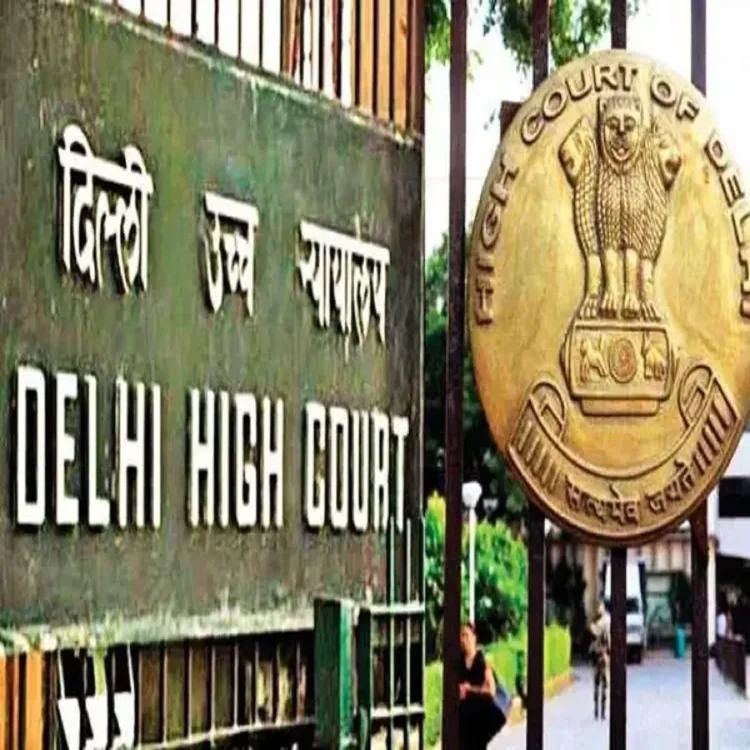
Court Finds Blanket Ban Unjustified
A division bench led by Chief Justice D K Upadhyaya and Justice Tejas Karia held that the regulation imposed by the National Medical Commission could not withstand constitutional scrutiny. The judges observed that preventing all forms of migration, regardless of circumstances, amounted to an arbitrary exercise of regulatory power. According to the court, uniform standards in medical education cannot be enforced by completely denying students the option to seek transfers when legitimate needs arise.
Rejection of Misuse Argument
The National Medical Commission had defended the rule by arguing that migration between colleges was susceptible to misuse and could compromise academic integrity. The bench firmly rejected this reasoning, stating that the possibility of misuse alone cannot justify curtailing lawful rights. The court emphasized that regulatory bodies are expected to manage risks through safeguards rather than imposing total bans that affect all students indiscriminately.
Regulation Formally Struck Down
The ruling invalidated Regulation 18 of the Graduate Medical Education Regulations, 2023, which prohibited transfers and migration of undergraduate medical students. In its order, the court directed the National Medical Commission to draft a fresh and balanced policy. Such a framework, the judges said, should allow student migration under clearly defined conditions that protect academic standards while respecting individual rights.
Case Triggered by Disability-Related Request
The judgment arose from a petition filed by an MBBS student with a 40 percent visual impairment. The student had requested a transfer from Government Medical College in Barmer, Rajasthan, to a medical institution in Delhi, citing personal and practical difficulties linked to the disability. The court noted that cases involving health, disability, or other compelling factors demonstrate why a rigid prohibition is inappropriate.
Direction to Decide Transfer Request Promptly
Along with striking down the regulation, the bench instructed the National Medical Commission to reconsider the petitioner’s transfer application. The commission has been asked to take a final decision within three weeks, ensuring that the request is evaluated under fair and reasonable criteria rather than an outright ban.
Emphasis on Proportional Regulation
In its observations, the court underlined that regulatory uniformity does not require inflexible rules. It stated that a complete denial of transfers, especially when students may face unforeseen hardships, cannot be regarded as a proportionate response. The judges stressed that regulatory authorities must balance institutional integrity with compassion and constitutional guarantees.
Wider Impact on Medical Education Policy
The decision is expected to have broader implications for medical education governance across the country. By calling for a structured and conditional migration policy, the court has signaled that student welfare and equal treatment must be integral to regulatory frameworks. The ruling also reinforces the principle that professional education regulators must operate within constitutional boundaries while addressing administrative concerns.
,