
Srinagar : Records First Above-Freezing Night as Chillai Kalan Draws to Close
Srinagar: Witnessed a notable shift in winter conditions on Friday as the city recorded a minimum temperature above the freezing point for the first time in more than a month. The change came on the final day of Chillai Kalan, the traditional 40-day period regarded as the harshest phase of winter in Jammu and Kashmir.
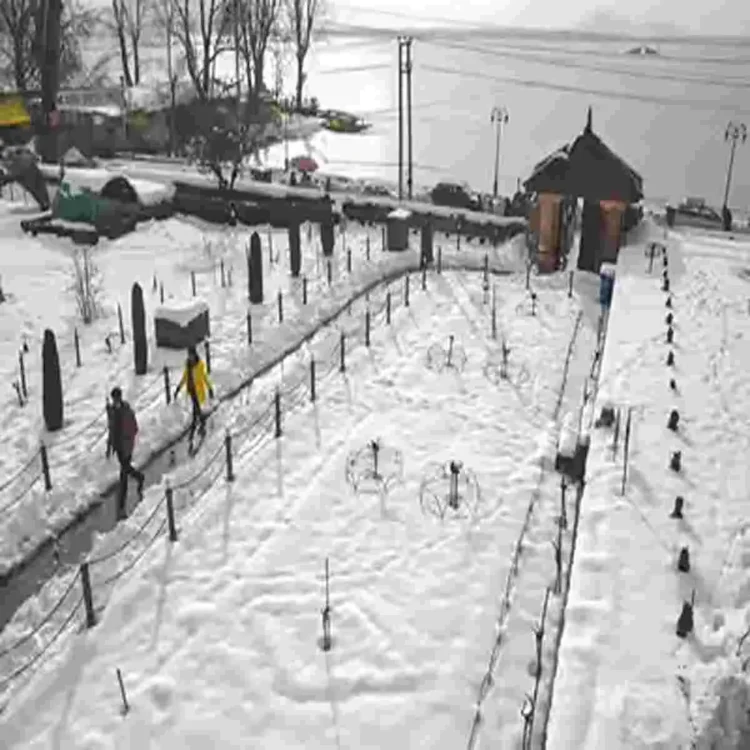
End of Chillai Kalan Brings Temperature Relief
According to data released by the Meteorological Department, Srinagar’s minimum temperature settled at 1.3 degrees Celsius, marking a significant break from the prolonged sub-zero spell. Chillai Kalan, which begins on December 21, is typically associated with intense cold, frozen water bodies, and frequent snowfall across the Kashmir Valley. The rise in temperature on its concluding day offered a brief sense of relief to residents after weeks of severe cold.
Sub-Zero Conditions Persist in Higher Areas
While Srinagar crossed the freezing mark, colder conditions continued in the Valley’s higher-altitude regions. Gulmarg recorded a minimum temperature of minus 9 degrees Celsius, while Pahalgam saw mercury dip to minus 5.3 degrees Celsius. These areas generally experience more extreme winter conditions due to elevation and remain snowbound longer than the plains.
Jammu Region Also Sees Improved Weather
The improvement in weather was not limited to the Kashmir Valley. Several parts of the Jammu region also reported relatively milder minimum temperatures. Jammu city recorded a low of 9.3 degrees Celsius, while Katra registered 8.4 degrees. Batote saw temperatures fall to 3.2 degrees, Banihal to 1.1 degrees, and Bhaderwah remained just below freezing at minus 1 degree Celsius, reflecting a gradual easing of winter severity across the region.
Snowfall Patterns and Water Concerns
Chillai Kalan is considered critical for snowfall accumulation, as most of the region’s annual snow typically falls during this period. This year, however, snowfall remained largely moderate, with heavier activity confined mainly to the final week of the 40-day stretch. The limited snowfall raised concerns over water availability, as snowmelt from higher reaches feeds rivers, streams, springs, and reservoirs throughout the year.
Before the recent snowfall, many water bodies across the Valley were reported to be flowing at unusually low levels. Adequate snow during Chillai Kalan is essential for drinking water supplies, irrigation needs, and overall ecological balance during the warmer months.
Fresh Western Disturbance on the Horizon
The Meteorological Department has forecast the arrival of another Western Disturbance over Jammu and Kashmir on February 1. This weather system is expected to bring light to moderate rain and snowfall in several areas. Western Disturbances play a key role in shaping winter weather across northern India and neighboring regions, often determining snowfall intensity and rainfall distribution.
Advisory Issued for Farmers and Travelers
In view of the expected weather change, authorities have issued precautionary advisories. Farmers have been advised to temporarily halt agricultural activities until February 2 to avoid potential losses. Travelers and transport operators have been urged to check with traffic control rooms before undertaking journeys, particularly along the Srinagar-Jammu national highway, which is prone to disruptions during adverse weather.
Avalanche Risk Prompts Safety Warning
Residents living in avalanche-prone zones have been cautioned to remain indoors unless travel is absolutely necessary over the next 75 hours. Sudden snowfall or temperature fluctuations can increase avalanche risk, especially in mountainous regions with steep slopes and accumulated snow.
Broader Impact of Western Disturbances
Western Disturbances are extratropical storms originating near the Mediterranean region. As they move eastward, they bring rain and snow to parts of South Asia, including India, Pakistan, Nepal, and Bangladesh. Their activity is particularly important for the success of the Rabi crop, which depends heavily on winter precipitation for healthy growth.