
Opposition : Criticizes Delay in Sharing Legislative Agenda Ahead of Budget Session
Opposition: The Congress on Tuesday accused the Union government of failing to follow parliamentary convention by not circulating its proposed legislative agenda ahead of the Budget session, raising concerns over preparedness and transparency as lawmakers prepare for the crucial sitting.
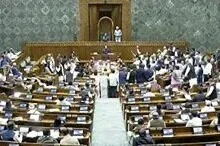
Objections Raised at All-Party Meeting
Senior Congress leader K Suresh told reporters that opposition parties expressed dissatisfaction during the all-party meeting convened in the capital. According to him, leaders from several parties questioned why the government had not shared a detailed outline of the bills it intends to introduce or take up during the upcoming session. He said the absence of such information made it difficult for parties to engage meaningfully in discussions or prepare for debates.
Suresh added that the legislative agenda is traditionally circulated before the session begins, allowing members adequate time to study proposals and consult within their parties. He described the delay as a departure from established parliamentary practices.
Government Assurances on Agenda Circulation
Union ministers present at the meeting responded to the concerns by assuring participants that the legislative agenda would be shared at a later stage. They maintained that the government remains committed to keeping all parties informed and said the immediate focus of the session would be on constitutionally mandated business rather than legislative introductions.
According to those attending the meeting, ministers emphasized that the initial phase of the session would be largely devoted to discussions that follow standard parliamentary procedure at the start of a new sitting.
Focus on Motion of Thanks and Budget Debate
Government representatives told the meeting that the first part of the Budget session would primarily involve debate on the Motion of Thanks to the President’s address, along with preliminary discussions on the Union Budget. These items are typically taken up before legislative business begins, particularly during a Budget session.
They noted that detailed legislative discussions are expected to follow after these foundational debates are concluded, suggesting that the timing of the agenda circulation would align with that sequence.
Session to Begin With Presidential Address
The first phase of the Budget session is scheduled to begin on Wednesday with President Droupadi Murmu addressing a joint sitting of the Lok Sabha and the Rajya Sabha. The President’s address traditionally outlines the broad policy priorities of the government and sets the tone for the session.
This address will be followed by discussions on the Motion of Thanks, during which members of both Houses debate the contents of the address and the government’s performance. The motion is later put to vote.
Union Budget Presentation on February 1
The Union Budget is slated to be presented on February 1, a Sunday. Following its presentation, Parliament will take up a detailed discussion on the budgetary proposals, allowing members to examine allocations, fiscal priorities, and policy directions outlined by the finance ministry.
Budget discussions are expected to run alongside deliberations on the Motion of Thanks during the first phase of the session.
Timeline for First and Second Phases
The first part of the Budget session will continue until February 13. During this period, both Houses are expected to complete debate and voting on the Motion of Thanks, along with initial budget discussions.
After a recess, Parliament will reconvene on March 9 for the second phase of the session. This phase is typically reserved for legislative business, including the introduction and passage of bills. The session is scheduled to conclude on April 2.
Customary Meeting Chaired by Defence Minister
The all-party meeting was chaired by Defence Minister Rajnath Singh, who traditionally presides over such gatherings ahead of major parliamentary sessions. These meetings are intended to promote coordination between the government and opposition parties to ensure the smooth functioning of Parliament.
Despite assurances from the government, opposition parties indicated they would continue to press for timely sharing of legislative plans in the interest of effective parliamentary scrutiny.