
Bombay High Court : Grants Bail to Activists in Elgar Parishad Case
Bombay High Court: The Bombay High Court has granted bail to two activists accused in the Elgar Parishad Maoist links case, citing the principle of parity and prolonged incarceration. The court observed that since several other accused in the same case have already received bail, similar relief should be extended to the remaining eligible individuals as well. This decision marks another significant development in a case that has drawn national attention over the years due to its political, legal, and human rights implications.
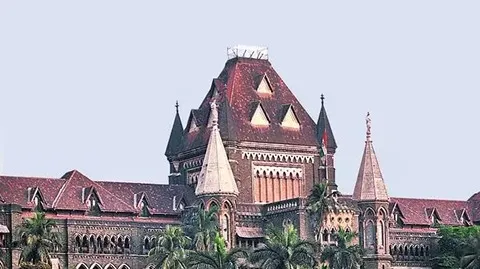
Background of the Arrest and Allegations
The activists, Sagar Gorkhe and Ramesh Gaichor, were arrested in September 2020 in connection with the Elgar Parishad case. Since their arrest, both have been lodged at Taloja prison. Investigating agencies alleged that the duo were active members of the banned CPI (Maoist) organisation and had links with activities considered unlawful under Indian law.
The arrests were part of a larger investigation into the Elgar Parishad conclave held in Pune on December 31, 2017. Authorities claimed that speeches delivered during the event were provocative in nature and eventually led to violent clashes at Koregaon-Bhima on January 1, 2018.
Court’s Observations on Parity and Delay
A division bench of the Bombay High Court, headed by Justice A S Gadkari, noted that the case trial has not commenced even after several years. The bench highlighted that many co-accused had already been granted bail due to long periods of incarceration and uncertainty over when the trial would actually begin.
The court stated that denying bail to Gorkhe and Gaichor under these circumstances would be inconsistent with earlier judicial decisions in the same case. On these grounds, the bench ruled that the appellants deserved bail based on parity with other accused.
Bail Conditions Imposed by the Court
While granting bail, the court imposed specific conditions to ensure compliance with the law. Both activists have been directed to furnish a personal bail bond of Rs 1 lakh each. Additionally, they are required to report once every month to the office of the National Investigation Agency, which is currently handling the investigation.
These conditions are aimed at ensuring the presence of the accused during future legal proceedings while also addressing concerns raised by the prosecution regarding national security.
Scope of the Elgar Parishad Case
The Elgar Parishad case has involved at least 16 accused individuals, including lawyers, writers, academics, and social activists. The Pune police initially investigated the matter and alleged that Maoist groups had supported the conclave. Later, the probe was transferred to the National Investigation Agency for further investigation.
According to official claims, the speeches at the conclave allegedly triggered violence at Koregaon-Bhima, resulting in widespread unrest and damage to property. These allegations formed the basis for invoking stringent provisions of anti-terror laws against the accused.
Status of Other Accused and Human Rights Concerns
With the bail granted to Gorkhe and Gaichor, all accused in the case except one have now secured bail. Surendra Gadling remains the only individual still in custody. Several others, including writers and activists such as Varavara Rao, Sudha Bharadwaj, and Anand Teltumbde, have already been released on bail earlier.
The case has also raised serious human rights concerns, particularly following the death of Father Stan Swamy in July 2021 while he was in judicial custody awaiting trial. His death intensified debates around the treatment of undertrial prisoners and the use of prolonged detention without trial.
Legal and Social Implications
Legal experts view the latest bail order as a reinforcement of constitutional principles related to personal liberty and equal treatment before the law. The decision underscores the judiciary’s acknowledgment of delays in the criminal justice system and the need to balance state security concerns with individual rights.
As the case continues to await trial, the focus is likely to remain on procedural fairness, evidentiary scrutiny, and broader questions surrounding dissent, activism, and the application of anti-terror laws in India.