
West Bengal : Administration Issues Strategic Guidelines to District Officials Amid Electoral Roll Revision Debate
West Bengal: The relationship between the West Bengal state government and the Election Commission of India has entered a sensitive phase during the ongoing Special Intensive Revision of electoral rolls. Recent developments indicate that the state administration is attempting to carefully balance its constitutional responsibilities with administrative autonomy while also responding to judicial guidance. The issue has gained attention because it directly affects electoral transparency, governance efficiency, and the roles played by district-level officers during an election year.
Background of the Administrative Meeting
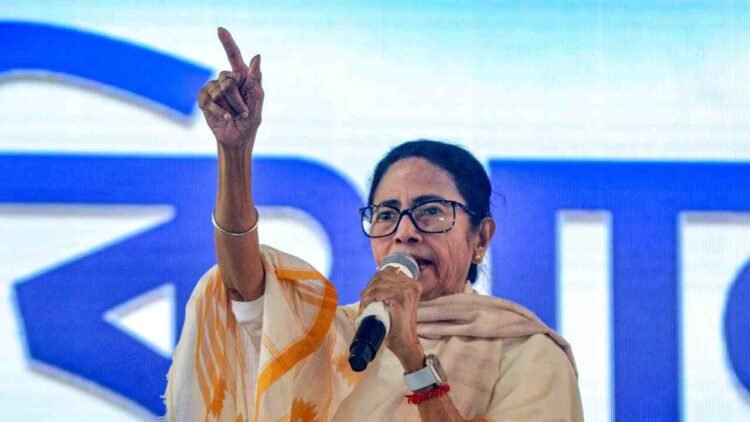
Amid this ongoing situation, a high-level administrative meeting was convened by the state’s Chief Secretary, Nandini Chakraborty. The meeting was attended by District Magistrates, who also serve as District Electoral Officers across the state. During the course of this discussion, Chief Minister Mamata Banerjee joined the meeting briefly, participating for approximately 10 to 15 minutes. Her presence, though short, was significant and conveyed important administrative signals to the officers present.
The purpose of the meeting was to clarify how district officials should proceed with the electoral roll revision exercise while ensuring that their broader administrative duties are not compromised. According to participants, several clear directions were communicated during this interaction.
Emphasis on Supreme Court Guidelines
One of the primary instructions given to the District Magistrates was related to adherence to judicial directives. The officers were advised to conduct the revision process strictly in line with the recent directions issued by the Supreme Court of India. The court had earlier laid down specific guidelines aimed at ensuring that the Special Intensive Revision process remains transparent, fair, and citizen-friendly.
Particular attention was drawn to the verification of voters categorized under logical discrepancies. The court had expressed concerns that arbitrary or opaque procedures could lead to unnecessary hardship for genuine voters. Therefore, district officials were encouraged to rely on these judicial instructions rather than unquestioningly following any directions perceived as arbitrary from higher authorities of the Election Commission of India.
Maintaining Administrative Continuity
Another key message conveyed during the meeting focused on administrative balance. The Chief Minister emphasized that District Magistrates should not allow their routine governance responsibilities to suffer due to excessive focus on the electoral revision exercise. Welfare schemes run by the state government, many of which directly impact vulnerable populations, were highlighted as areas that must continue to receive full administrative attention.
This instruction underscored the dual role of District Magistrates in West Bengal, where they act both as electoral officers and as the highest-ranking administrative officials at the district level. The state leadership appeared keen to ensure that governance delivery does not slow down during the election-related processes.
Subtle Assertion of Administrative Jurisdiction
According to accounts from attendees, the Chief Minister also made a subtle but clear observation regarding administrative authority. It was indicated that while the Election Commission exercises constitutional powers during the election period, the long-term administrative control over District Magistrates rests with the state government once elections conclude.
This reminder was not framed as a confrontation but rather as a contextual clarification. It served to reassure officers about their institutional position within the state administrative framework, especially in a period marked by heightened scrutiny and pressure.
Assurance Against Undue Pressure
An important aspect of the interaction was the assurance reportedly given to district officials. The Chief Minister conveyed that the state government would stand firmly behind them if they faced any undue pressure while performing their duties during the revision exercise. This assurance was seen as a morale booster for officers who often find themselves navigating between multiple authorities during election periods.
Such reassurance is particularly relevant in situations where administrative decisions are closely examined by multiple stakeholders, including constitutional bodies, political actors, and the judiciary.
Broader Implications for Electoral Governance
The developments highlight the complex nature of electoral governance in India, where constitutional mandates, judicial oversight, and state administration intersect. West Bengal’s current situation reflects broader questions about federal balance, administrative accountability, and the protection of citizens’ voting rights.
As the state moves closer to assembly elections later this year, the manner in which the Special Intensive Revision is conducted will remain under close observation. Transparency, adherence to legal guidelines, and administrative efficiency will be crucial factors in maintaining public trust in the electoral process.