
ISRO: To increase knowledge of space science, 800 Northeastern students go to
ISRO: About 800 deserving scientific students from all eight states, 100 from each state, visited the Indian Space Research Organization (ISRO) on Friday to raise awareness of space science and technology among students in Northeastern India, authorities said.
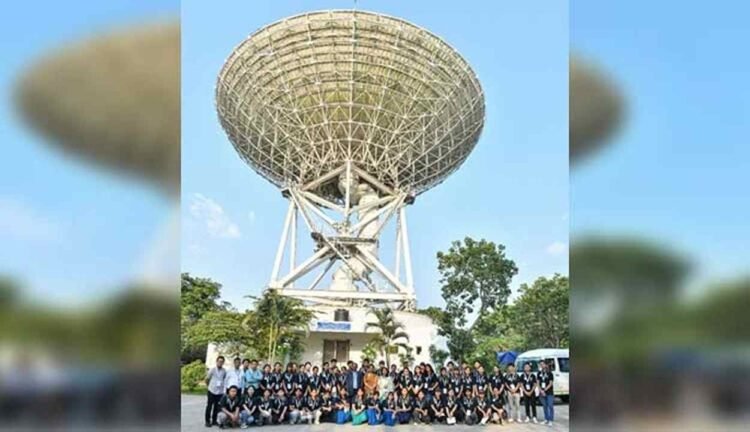
The North East Students Programme for Awareness, Reach, and Knowledge on Space (NE-SPARKS), a flagship project of the Ministry of Development of the North Eastern Region (DoNER), is intended to raise students’ awareness of space science and technology in the Northeastern region, according to a North Eastern Council (NEC) official.
Through escorted trips to ISRO centers in Bengaluru, this groundbreaking initiative gives a small group of students firsthand exposure to India’s space research accomplishments, successfully overcoming informational and geographic barriers that have traditionally restricted access to such opportunities.
At the 12th meeting of the North Eastern Space Applications Centre (NESAC) Society, which took place on December 21, 2024, Union Home Minister and President Amit Shah suggested that 800 gifted science students from all eight states in the North Eastern Region, comprising 100 students from each state, be invited to visit ISRO.
The Union government’s commitment to regional educational empowerment and inclusive development was reaffirmed by this direction.
The Ministry of DoNER, the NEC, the ISRO, the NESAC, and the state governments of the Northeastern states are all working together on this project.
With the active assistance and involvement of the corresponding state governments, the program is co-coordinated by NESAC and ISRO’s Capacity Building Programme Office (CBPO), guaranteeing successful execution at the local level.
According to the official, the program has a 60:40 financing ratio, with the NEC contributing Rs 2.3 crore and the state governments contributing a combined Rs 1.53 crore, for a total approved cost of Rs 3.83 crore.
This funding agreement demonstrates the joint accountability and dedication of state and central authorities to developing the region’s scientific expertise.
Between April 2025 and December 2025, the NE-SPARKS is carried out in eight phases, with a minimum of one month separating each batch.
Each batch, according to the official, consists of 90–100 students from each of the eight NER states, together with ten coordinators who support and direct the educational process.
“NE-SPARKS encourages STEM education among Northeastern students and inspires young minds through meaningful interactions with ISRO scientists and engineers and direct exposure to advanced space technologies,” he said.
By enabling participants to imagine and pursue professions in space science and technology, the program advances India’s overarching goal of becoming a worldwide leader in the space industry.