
Mandala Puja at Sabarimala: A Sacred Journey of Faith, Discipline, and Inner Transformation
Mandala Puja at Sabarimala: The Sabarimala Temple in Kerala is one of the most revered pilgrimage centers in India, drawing millions of devotees every year. Among its many sacred observances, Mandala Puja holds a unique spiritual importance. This auspicious occasion marks the culmination of a strict 41-day spiritual discipline undertaken by devotees with unwavering faith and devotion. The festival is not merely a ritual event but a profound inner journey rooted in self-control, purity, and surrender to divine will.
Spiritual Background of Mandala Puja
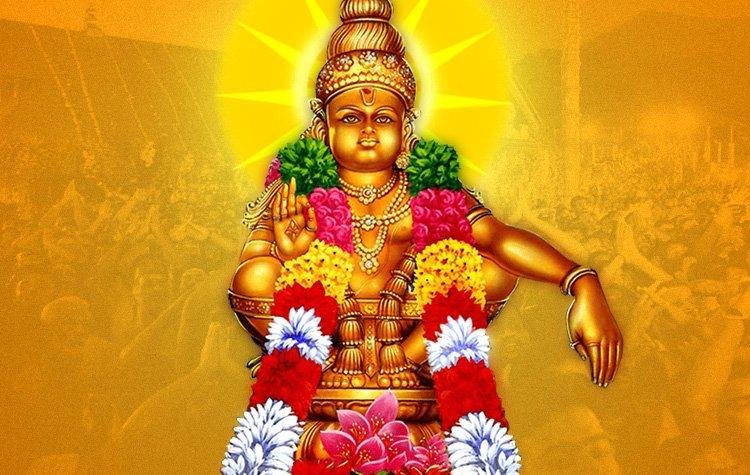
Mandala Puja is dedicated to Lord Ayyappa and signifies the completion of the Mandala Kalam, a 41-day period of penance that begins in mid-November. During this time, devotees commit themselves to a disciplined lifestyle that focuses on physical purity, mental restraint, and spiritual growth. They renounce worldly pleasures, practice humility, and prepare themselves for a higher spiritual experience.
This sacred period is considered a time of self-purification. Devotees believe that sincere observance of these disciplines helps cleanse negative thoughts, strengthen character, and bring inner peace. The pilgrimage is not only about reaching the temple but also about transforming oneself along the way.
Mandala Puja 2025 Date and Observance
As per traditional calendar calculations, Mandala Puja in 2025 will be observed on Saturday, 27 December. On this day, the temple witnesses grand rituals, special prayers, and an atmosphere filled with devotion and spiritual energy. Devotees who have successfully completed the 41-day vrata gather to offer prayers and seek blessings.
A major highlight of the day is the adornment of Lord Ayyappa in the sacred golden attire known as Thanka Anki. This divine decoration is believed to symbolize spiritual brilliance and divine grace, making the occasion even more significant for pilgrims.
Importance and Spiritual Significance
Mandala Puja represents discipline, faith, and surrender. Observing the Mandala Kalam is believed to bring mental clarity, emotional balance, and spiritual strength. Devotees consider this period an opportunity to overcome negative habits and cultivate positive values such as patience, compassion, and self-control.
Worship during Mandala Puja is believed to bring peace of mind and renewed energy. Many followers hold the belief that sincere prayers offered during this time help remove obstacles, reduce suffering, and attract prosperity and success. The entire process instills courage and resilience, encouraging devotees to face life’s challenges with faith and confidence.
Rituals and Sacred Practices
The rituals associated with Mandala Puja are deeply rooted in tradition and strict discipline. The journey begins with the observance of the 41-day fast, during which devotees wear simple black or blue clothing, walk barefoot, and consume basic vegetarian food. They maintain celibacy and wear a sacred mala made of tulsi or rudraksha beads as a symbol of their vow.
One of the most important rituals is the preparation of the Irumudi Kattu. This sacred bundle contains offerings such as ghee-filled coconut and other ritual items. Carrying the Irumudi Kattu is considered essential for undertaking the pilgrimage, as it represents devotion and readiness to surrender ego and desires.
Upon reaching the temple, devotees climb the 18 holy steps, each symbolizing different human qualities that must be overcome. Chanting sacred prayers during this ascent creates a powerful spiritual atmosphere. The final ghee abhishekam offered to Lord Ayyappa marks the completion of the pilgrimage and the fulfillment of the spiritual vow.
A Journey Beyond Rituals
Mandala Puja is not just a festival but a transformative experience that teaches discipline, humility, and devotion. The pilgrimage reflects the idea that true spirituality lies in self-purification and service, not merely in external rituals. For millions of devotees, this sacred journey remains a timeless path toward inner peace, faith, and spiritual awakening.