
Gig Workers Protest: Gig Workers’ Nationwide Strike Highlights Deep Challenges in India’s App-Based Delivery Economy
Gig Workers Protest: The nationwide gig workers’ strike held on December 25 created visible disruptions across several major Indian cities, drawing attention to long-standing issues within the app-based delivery ecosystem. On a day when demand for food and grocery deliveries peaks due to Christmas celebrations, customers experienced delays, order cancellations, and limited service availability. The strike was called by prominent gig worker unions to protest deteriorating working conditions, pay structures, and algorithm-driven management practices. With another strike announced around New Year, the movement has sparked a wider debate about the sustainability and fairness of the gig economy in India.
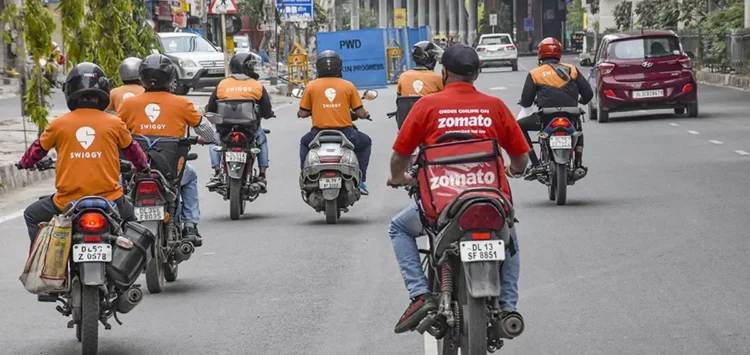
Background of the Nationwide Gig Workers’ Strike
The strike was organized by worker unions representing app-based delivery and transport workers across multiple states. It aimed to bring national attention to the challenges faced by delivery partners working with food delivery and quick commerce platforms. These workers are typically classified as independent contractors rather than full-time employees, which means they lack many employment benefits such as job security, insurance coverage, and social protection. Choosing Christmas Day for the protest amplified its impact, as delivery services are heavily relied upon during festivals and holidays.
Was the Gig Workers’ Protest Successful
In practical terms, the protest achieved significant visibility. Delivery workers from food, grocery, and quick commerce platforms participated in large numbers, leading to widespread service disruptions. Many customers reported unusually long delivery times, repeated order cancellations, or complete unavailability of delivery slots. The disruption demonstrated the essential role gig workers play in urban daily life and highlighted how dependent digital platforms are on their labor. While platforms continued to accept orders in many areas, the inability to fulfill them efficiently underscored the effectiveness of the strike.
Regions Most Affected by the Strike
The impact of the strike was felt most strongly in parts of Gurugram and the wider National Capital Region. In these areas, quick commerce deliveries were either delayed significantly or suspended altogether as delivery agents stayed off the roads. Similar issues were reported in Hyderabad, where food and grocery deliveries were disrupted throughout the day. Customers across these regions shared experiences of failed deliveries, unresponsive apps, and repeated rescheduling, particularly on instant delivery platforms.
Participation of Delivery Agents in the Protest
According to statements released by workers’ unions in Telangana, nearly 40,000 delivery agents participated in the protest in Hyderabad alone. This large-scale participation affected both food delivery and grocery services across the city. Union representatives stated that workers from multiple platforms joined the flash strike to protest unsafe working environments, unfair compensation models, excessive algorithmic control, arbitrary account blocking, and the lack of dignity and social security. The scale of participation reflected widespread dissatisfaction among gig workers rather than isolated grievances.
Reasons Behind the Gig Workers’ Protest
At the heart of the protest lies the structure of gig work itself. Delivery agents are paid based on the number of orders completed and the time spent online, rather than receiving a fixed salary. This system often pushes workers to prioritize speed over safety, especially with the rise of ultra-fast delivery models promising deliveries within ten minutes. Workers argue that such expectations increase the risk of road accidents and mental stress. Additionally, opaque algorithms determine order allocation, incentives, and penalties, leaving workers with little clarity or control over their earnings.
Key Demands Raised by Gig Workers
The protesting workers have presented a set of clear demands aimed at improving their working conditions and ensuring fair treatment. One of the primary demands is the withdrawal of the ten-minute delivery model, which they believe compromises safety. Workers are also seeking protection against sudden account suspensions without proper investigation or explanation. Transparency in payment calculations is another major demand, with workers asking for systems that accurately reflect hours worked and expenses incurred.
Improved work safety measures, including accident insurance, form a critical part of the demands. Workers also want an end to excessive algorithmic control that dictates pay rates and performance targets without human oversight. Stronger technical support systems, effective grievance redressal mechanisms, job security, and access to social security benefits have also been emphasized.
The Broader Implications for the Gig Economy
The Christmas Day strike has highlighted systemic issues within India’s rapidly expanding gig economy. As digital platforms continue to grow, the need for fair labor practices and regulatory frameworks becomes increasingly urgent. The protest has not only disrupted services but also sparked conversations among consumers, policymakers, and companies about the true cost of convenience and the human effort behind it.