
Ukraine Peace Deal: A Fragile Peace Framework Takes Shape Amid Unresolved Fault Lines in the Ukraine War
Ukraine Peace Deal: The United States and Ukraine have signaled progress toward a potential peace framework designed to bring an end to the prolonged and devastating war with Russia. After extensive diplomatic engagement, both sides report agreement on several core principles. Yet, despite this forward movement, the most sensitive and complex issues remain unresolved, leaving the future of the negotiations uncertain and highly dependent on Moscow’s response.
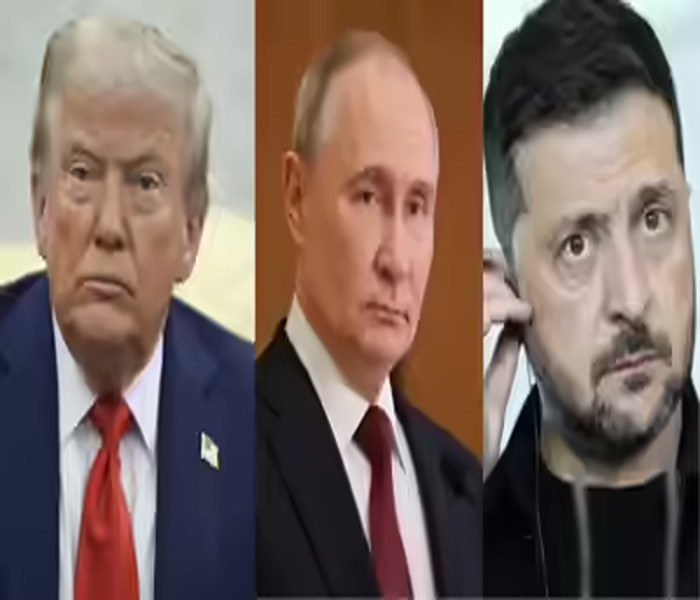
Overview of the Proposed Peace Framework
According to Ukrainian leadership, the newly drafted framework represents a foundational structure for ending the conflict rather than a final settlement. It outlines a set of political, military, and security principles intended to prevent further escalation and create conditions for long-term stability in Eastern Europe. Central to the proposal are international security assurances involving the United States, European partners, and the North Atlantic alliance, coupled with a coordinated response mechanism should Ukraine face renewed aggression.
The framework is the result of intensive discussions held over several days in Florida, where senior American and Ukrainian officials refined and condensed earlier drafts into a 20-point document. This revised version has already been shared with Russian representatives, and a formal reply from Moscow is anticipated shortly.
Russia’s Measured and Reserved Reaction
The Kremlin has acknowledged receipt of the proposal and confirmed that Russian leadership has been briefed by diplomatic envoys following consultations in Washington. However, Russian officials have refrained from offering public commentary on the substance of the plan. Moscow has emphasized that it prefers closed-door diplomacy and will not conduct negotiations through public statements or media channels.
This cautious approach reflects Russia’s broader strategy of maintaining leverage while assessing international reactions. Analysts note that Moscow’s silence does not necessarily indicate rejection, but rather a calculated pause as it formulates a unified position.
Territorial Control as the Central Obstacle
The most contentious aspect of the negotiations centers on territorial control in eastern Ukraine, particularly the industrial regions that have been heavily contested since the early stages of the war. Russia continues to demand that Ukraine relinquish control over remaining areas of the Donbas region still under Kyiv’s administration. Ukrainian authorities have firmly rejected any proposal involving territorial withdrawal, viewing it as a violation of national sovereignty and international law.
In an effort to break the deadlock, negotiators are reportedly exploring alternative arrangements. These include the creation of a demilitarized buffer zone or the establishment of a special economic arrangement aimed at reducing tensions while postponing final territorial decisions. Such options, however, remain politically sensitive and would require extensive guarantees and oversight.
The Zaporizhzhia Nuclear Power Plant Question
Another unresolved issue is the future of the Zaporizhzhia Nuclear Power Plant, Europe’s largest nuclear facility, which has been under Russian occupation. Control and safety of the plant are major international concerns due to the potential environmental and humanitarian risks. Any lasting agreement would need to define operational authority, security arrangements, and the withdrawal of military forces from surrounding areas.
Ukrainian officials have also stressed that a broader settlement must include the removal of Russian troops from multiple regions beyond the immediate frontline, underscoring that peace cannot be achieved through partial or symbolic measures alone.
Unclear Security Guarantees and Enforcement
While the framework reaffirms Ukraine’s sovereignty and proposes a wide-ranging non-aggression understanding involving Russia and European states, it lacks clarity on enforcement mechanisms. The absence of explicit collective defense commitments has raised concerns in Kyiv, where there is skepticism about the durability of promises not backed by concrete military obligations.
Without clear enforcement provisions, critics argue that the framework risks becoming another temporary pause rather than a durable peace settlement.
Military Constraints and Domestic Opposition
Among the most controversial elements are proposed limitations on the size of Ukraine’s armed forces and discussions around the potential transfer of certain unoccupied territories. Such measures would have profound implications for Ukraine’s national defense strategy and affect key urban and industrial centers. Within Ukraine, these ideas face strong resistance from political leaders, military officials, and the public, who view them as unacceptable concessions.
A Delicate Path Forward
The proposed framework underscores both the possibilities and the limitations of diplomacy in a deeply entrenched conflict. While it reflects a shared desire to explore an end to the war, the unresolved issues highlight how far apart the parties remain on fundamental questions of sovereignty, security, and territorial integrity. The coming days, particularly Russia’s response, will be critical in determining whether this initiative can evolve into a genuine peace process or remain an unrealized diplomatic effort.