
Libya Plane Crash News: Tragic Air Crash Near Ankara Claims Lives of Senior Libyan Military Leaders
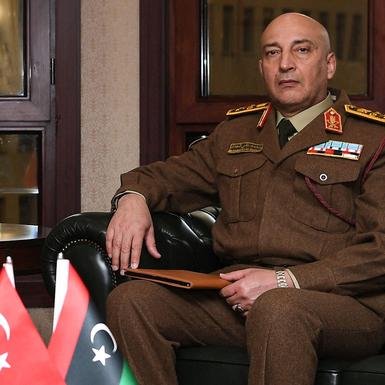
Libya Plane Crash News: A devastating air crash near Ankara, the capital of Turkey, has resulted in the death of Libya’s Army Chief of Staff, Mohammed Ali Ahmed al-Haddad, along with several senior military officials and crew members. The incident occurred while the delegation was returning to Libya after an official visit to Turkey, marking one of the most significant aviation tragedies involving Libyan leadership in recent years. The loss has sent shockwaves through Libya’s political, military, and social circles.
Background of the Incident
According to official statements, the aircraft went down on Tuesday shortly after departing from Ankara’s Esenboga Airport. Libyan Prime Minister Abdul Hamid Dbeibah described the crash as a tragic accident and expressed deep sorrow over the loss of high-ranking officials who were widely respected for their service and commitment to national duty. The flight was reportedly en route to Tripoli when it encountered serious technical issues.
Leaders Lost in the Crash
Among those who lost their lives were several prominent figures within Libya’s military establishment. Alongside Mohammed Ali Ahmed al-Haddad, the victims included Al-Fitouri Gharibil, the Chief of Staff of the Ground Forces; Mahmoud Al-Qatawi, Director of the Military Manufacturing Authority; Muhammad Al-Asawi Diab, a senior adviser; and Muhammad Omar Ahmed Mahjoub, a military photographer. Their combined experience represented decades of leadership, strategic planning, and institutional knowledge.
Emergency Situation Before the Crash
Turkish authorities revealed that the aircraft had reported an emergency shortly before the crash. The jet’s crew contacted air traffic control after detecting an electrical malfunction and requested permission for an emergency landing. Despite these efforts, the aircraft was unable to land safely. Three crew members on board were also killed, highlighting the severity of the incident and the challenges faced during the final moments of the flight.
Investigation and Preliminary Findings
Initial investigations conducted by Turkish officials have ruled out any possibility of sabotage. Early reports indicate that the likely cause of the crash was a technical failure related to the aircraft’s electrical systems. The wreckage was later discovered approximately two kilometers south of Kesikkavak village in the Haymana district, an area that has since been secured for further forensic examination. Authorities from both Turkey and Libya are cooperating to ensure a transparent and thorough investigation.
Diplomatic and Military Context
The Libyan delegation had been in Turkey for high-level meetings with Turkish military counterparts and defense officials. These discussions were part of ongoing cooperation between the two nations, focusing on security coordination, training, and defense collaboration. The sudden loss of the delegation has raised concerns about continuity in military leadership and the future direction of bilateral defense initiatives.
National Impact on Libya
Prime Minister Dbeibah emphasized that the tragedy represents a profound loss not only for the Libyan Armed Forces but also for the nation as a whole. The deceased leaders were described as symbols of discipline, responsibility, and national commitment. Their deaths come at a critical time for Libya, as the country continues efforts toward political stability, security reform, and institutional rebuilding.
Regional and International Reactions
Messages of condolence have poured in from regional partners and international observers, reflecting the respect held for the victims beyond Libya’s borders. Turkey has expressed solidarity with Libya during this difficult period, reaffirming its commitment to cooperation and support. The incident has also sparked broader discussions about aviation safety for government and military flights in the region.
Looking Ahead
As investigations continue, Libya faces the challenge of honoring the legacy of its fallen leaders while ensuring stability within its military command structure. The tragedy underscores the importance of stringent aviation safety measures and the risks associated with official travel. For Libya, the focus now turns toward remembrance, accountability, and rebuilding trust within its defense institutions.