
Delhi Pollution: Delhi Air Quality Shows Slight Relief but Winter Fog Continues to Disrupt Daily Life
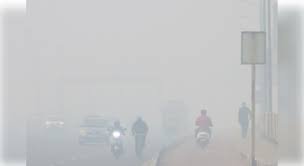
Delhi Pollution: Delhi witnessed a marginal improvement in air quality on Wednesday morning as the overall Air Quality Index slipped from the severe category to the very poor range. Despite this relief, pollution levels remain a major concern for residents, while dense winter fog has added another layer of challenge to daily commuting and air travel across the national capital and surrounding regions.
Current Air Quality Status in Delhi
According to data released by the Central Pollution Control Board, the city’s overall AQI stood at 342 at 8 am. This marked a noticeable improvement compared to the previous day, when readings crossed the 400 mark and entered the severe pollution bracket. However, an AQI above 300 is still considered hazardous for prolonged outdoor exposure, especially for children, the elderly, and individuals with respiratory conditions.
Interestingly, only a handful of locations recorded relatively better air quality. Monitoring stations at Aya Nagar, IGI Airport Terminal 3, and Mandir Marg reported air quality in the poor category, while the rest of the city continued to struggle with very poor pollution levels.
AQI Situation Across Delhi-NCR
The pollution problem is not limited to Delhi alone. Neighboring cities in the National Capital Region are also experiencing unhealthy air. Greater Noida recorded an AQI of 321, Noida stood at 349, and Gurugram at 315, all falling under the very poor category. Faridabad showed slightly better conditions with an AQI of 228, while Ghaziabad registered 240. Muzaffarnagar reported an AQI of 255, indicating poor air quality.
These figures highlight the regional nature of air pollution, influenced by weather conditions, vehicular emissions, industrial activities, and seasonal factors such as crop residue burning.
Areas in Delhi Facing Very Poor Air Quality
Several prominent areas across Delhi reported alarming AQI levels. Locations such as Anand Vihar, Chandni Chowk, ITO, Pusa, Okhla Phase-2, Punjabi Bagh, Rohini, and Vivek Vihar recorded readings close to or above 370. Nehru Nagar nearly touched the severe threshold with an AQI of 399. Other regions including Ashok Vihar, Dwarka Sector 8, Lodhi Road, Mundka, RK Puram, and Wazirpur also remained firmly in the very poor category.
These widespread high pollution levels indicate that air quality issues are affecting almost every part of the city, limiting safe outdoor activities.
Areas With Comparatively Better Air
Only three locations in Delhi offered slight respite. Aya Nagar recorded an AQI of 281, IGI Airport Terminal 3 stood at 283, and Mandir Marg registered 289. Although these readings fall under the poor category, they are still significantly better compared to other parts of the city.
Winter Fog and Temperature Conditions
Alongside pollution, dense fog has enveloped Delhi as winter conditions intensify. Residents woke up to a temperature of around 9 degrees Celsius, with daytime temperatures expected to rise modestly to between 19 and 20 degrees Celsius. High humidity and low wind speed have contributed to persistent fog, reducing visibility during early mornings and late nights.
Weather experts indicate that fog will remain a dominant feature from December 24 to December 29. Moderate fog is expected on most days, while December 26 is likely to witness dense fog spells that could significantly affect visibility during morning and forenoon hours.
Impact on Travel and Daily Life
Despite foggy conditions, Delhi Airport has confirmed that flight operations are currently running smoothly. Passengers have been advised to stay in touch with their respective airlines for real-time updates. However, continued fog could potentially lead to delays, especially during early morning hours.
For daily commuters, the combination of air pollution and fog poses health and safety risks. Reduced visibility on roads and prolonged exposure to polluted air underline the need for caution and preventive measures.
Outlook for the Coming Days
While the slight improvement in AQI offers temporary relief, experts caution that weather conditions may continue to trap pollutants near the surface. Without strong winds or rainfall, air quality is unlikely to improve significantly in the short term. Residents are advised to limit outdoor activities, use protective masks if necessary, and follow health advisories issued by authorities.