
SIR in Bengal: starting on December 27, each ERO will process 150 claims and objections to the draft voter list every day
SIR in Bengal: Kolkata, December 23 According to the goal established by the Election Commission of India (ECI), starting on Saturday, each Electoral Registration Officer (ERO) in West Bengal would conduct 150 instances of hearings on claims and objections to the draft voters’ list.
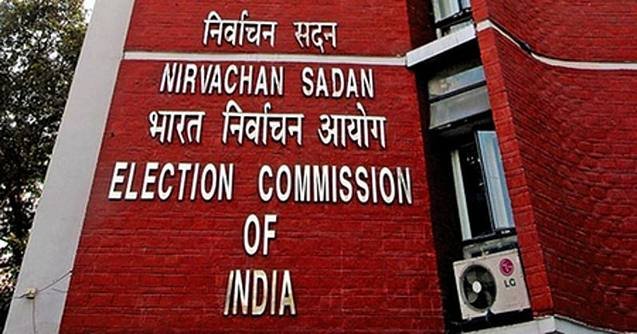
According to sources in the office of the Chief Electoral Officer (CEO), West Bengal, the daily target was set with consideration for the timetable of the second and third stages of the Special Intensive Revision (SIR) exercise in West Bengal. This allowed the hearing session to be concluded in a reasonable amount of time, which facilitated the process of meeting the deadline for publishing the final voters’ list on February 14 next year.
“The Commission first considered aiming for a daily hearing list goal of 100. But in the end, it has chosen to set that daily goal at 150 in order to provide sufficient time for reviewing the rulings made during those hearings before releasing the final voters’ list on February 14 of the next year,” the sources said.
One ERO, one Assistant Electoral Registration Officer (AERO), and one micro-observer specifically chosen by the Commission to oversee the hearing sessions will be present at each table of hearings.
These micro-observers will be either central government employees or employees of public banks or central public sector enterprises; they will all fall under the Group B group. But according to the Commission, all of these micro-observers would be chosen from among the staff members in these categories who are now assigned to West Bengal.
On Monday, the process of mailing hearing notifications began. The worried voters will get two copies of the notifications from the booth-level officers (BLOs) when they arrive at their homes.
One copy will be kept by the voter, who will sign the other copy and deliver it to the BLO. There will be two stages of the hearing. “Unmapped voters” who have no connection to the 2002 list via “self mapping” or “progeny mapping” will be called for hearings during the first phase.
Cases with questionable family tree data found in “progeny mapping” will be called upon in the second stage.
On December 16, the draft list of voters was released.
On February 14, the final voter list will be released. The dates of the voting for the important West Bengal Assembly elections that are planned for next year will be announced shortly by the Election Commission of India (ECI).