
LPG: Chennai Corporation intends to install biogas plants in schools to reduce use and advance sustainable energy
LPG: In order to promote the use of clean energy for cooking and to raise students’ awareness of sustainable waste management techniques, the Greater Chennai Corporation (GCC) intends to install biogas plants in its schools.
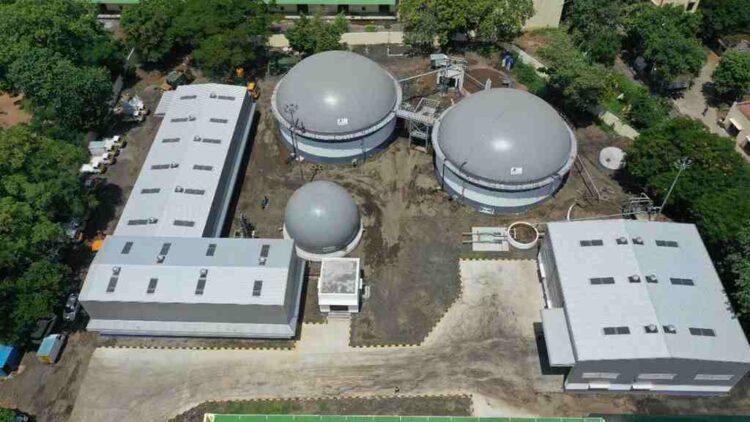
The effort will concentrate on campuses with centralized kitchens that prepare meals for many institutions, maximizing the utilization of cooking gas and kitchen trash.
In order to carry out the initiative, the municipal body plans to work with willing non-governmental organizations, individuals, and citizens’ welfare groups, according to Chennai Corporation Commissioner J. Kumaragurubaran.
It is anticipated that the action would lessen reliance on LPG cylinders and lower the cost of cooking fuel in schools.
The GCC is thinking of installing biogas plants as a trial project in four cloud kitchens, which produce a lot of food and vegetable waste every day. According to the commissioner, these facilities may be created at the best possible cost without needing a lot of maintenance hours and would be combined with composting and biogas units.
The initiative comes after a biogas plant was successfully installed late last month at a Corporation upper secondary school in South Chennai. At a cost of Rs 5.7 lakh, the 75-kg capacity machine was erected on campus with assistance from a service organization and the neighboring residents’ association. Breakfast is prepared in the school’s kitchen for around ten Corporation schools. The plant, which is currently attached to a single stove, processes 15 to 20 kg of food waste per day and produces enough gas to partially cover the need for cooking.
According to estimates, the method will save one LPG cylinder every two months. The project directly benefits around 250 students on campus, and as part of environmental awareness programs, students are also given an introduction to how the plant operates.
With the help of an environmental organization and a citizens’ group, a comparable biogas plant was established at another Corporation school in Adyar last year. Over a ten-month period, school personnel noted that the plant saved seven LPG cylinders.
About 3,200 kg of food and wet waste were prevented from disposal during this period, and about 270 hours of cooking were done using the biogas generated.
In addition to lowering the amount of LPG used, biogas plants produce slurry that may be turned into compost. On school campuses, this manure may be used for gardening and small-scale food production, contributing to the development of a closed-loop, self-sustaining system that integrates waste management, energy production, and environmental education.