
Trump: is being sued by 20 US states over a $100,000 H-1B visa cost
Trump: administration’s decision to charge a $100,000 fee for new H-1B visa applications was challenged in a lawsuit by twenty US states that said the policy was illegal and endangered vital public services.
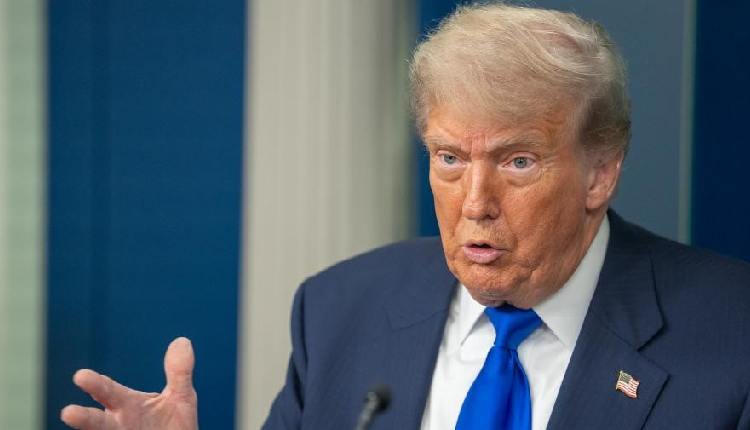
The case focuses on a Department of Homeland Security regulation that significantly raises the cost for firms looking to acquire highly qualified foreign workers via the H-1B visa program, which is extensively used by public institutions, hospitals, and colleges.
The office spearheading the lawsuit, California Attorney General Rob Bonta, said that the administration was not authorized to charge the fee.
“California, the fourth largest economy in the world, understands that when talented individuals from around the globe join our workforce, it drives our state forward,” said Bonta.
“President Trump’s unlawful $100,000 H-1B visa fee exacerbates labor shortages in critical sectors by placing needless and unlawful financial burdens on California public employers and other providers of essential services,” he added.
On September 19, 2025, President Trump issued a proclamation directing the fee. DHS granted the Secretary of Homeland Security freedom to decide whether applications are eligible for exemptions or are subject to the charge, and it applied the policy to H-1B petitions submitted after September 21.
The states contend that by avoiding necessary regulation and going beyond legislative power, the policy violates both the Administrative Procedure Act and the US Constitution. According to them, payments associated with the H-1B program have traditionally just covered the system’s operating expenses.
Employers presently pay a total of $960 to $7,595 in statutory and regulatory costs when they file their first H-1B petition.
Employers are required under federal law to attest that recruiting H-1B workers won’t negatively impact US workers’ pay or working conditions. The majority of private-sector H-1B visas are limited by Congress to 65,000 each year, with an extra 20,000 set aside for candidates with advanced degrees.
Generally speaking, the restriction does not apply to government or nonprofit companies, such as hospitals, colleges, or schools.
The proposed cost, according to the attorneys general, would make personnel shortages worse, especially in the healthcare and education sectors.
Seventy-four percent of US school districts reported having trouble filling available jobs during the 2024–2025 academic year, particularly in the areas of foreign languages, physical sciences, special education, and ESL or bilingual education. The third-largest occupational category among those with H-1B visas is educators.
The program is also very important to healthcare professionals. In fiscal year 2024, over half of the nearly 17,000 H-1B visas granted for medical and health-related jobs went to doctors and surgeons. By 2036, there will be an 86,000 physician shortfall in the United States.
Attorneys general from Arizona, Colorado, Connecticut, Delaware, Hawaii, Illinois, Maryland, Michigan, Minnesota, Nevada, North Carolina, New Jersey, New York, Oregon, Rhode Island, Vermont, Washington, and Wisconsin joined Bonta and Massachusetts Attorney General Andrea Joy Campbell in filing the lawsuit.
For talented foreign workers, including many Indian experts working in technology, healthcare, and academic research, the H-1B program provides a crucial route. gave up the power that Congress had given them.