
LegalReservation – Supreme Court Reviews Plea for Women Lawyers’ Representation
LegalReservation – Women advocates representation in government legal appointments – The Supreme Court on Wednesday asked the Centre, all states, and union territories to submit their responses on a petition demanding greater representation for women lawyers in government legal positions. The petition seeks a mandatory 30 per cent quota for women advocates in official legal panels and appointments of law officers across the country.
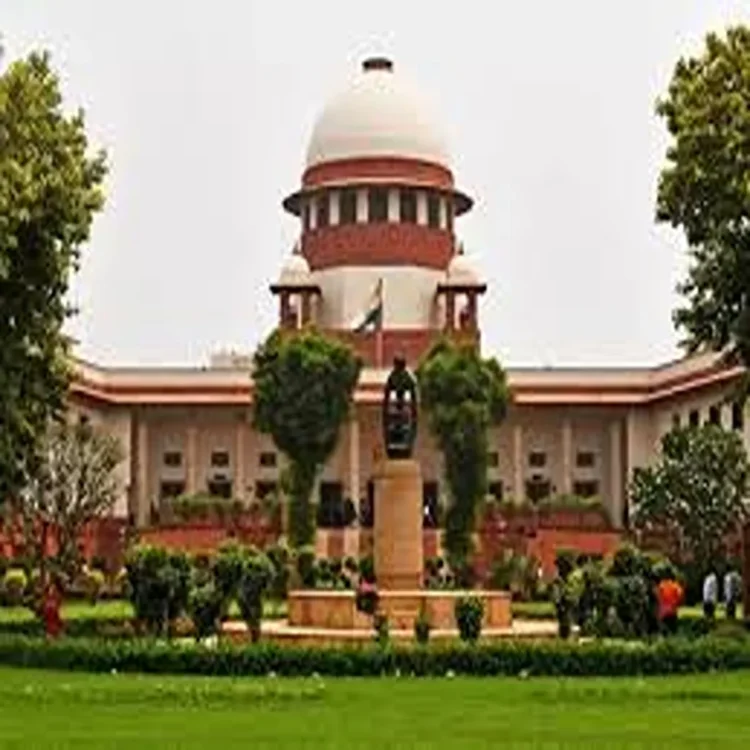
The matter was heard by a bench led by Chief Justice Surya Kant along with Justices Joymalya Bagchi and Vipul M Pancholi. The court issued formal notices after senior advocate Vikas Singh, who is also the president of the Supreme Court Bar Association, highlighted the concerns raised in the public interest litigation filed by the Ladli Foundation Trust.
Demand for Wider Representation in Legal Institutions
The petition has requested directions for the Centre, state governments, and public sector undertakings to reserve at least 30 per cent of positions for women lawyers in legal departments and government-backed panels. This includes appointments linked to the Supreme Court, various high courts, legal aid bodies, and government law officer posts.
According to the plea, women continue to remain underrepresented in several important legal positions despite a steady rise in female law graduates over recent years. The petition argues that structural and professional barriers continue to affect career growth opportunities for women advocates in the legal profession.
Constitutional Rights Highlighted in Petition
The Ladli Foundation Trust approached the apex court under Article 32 of the Constitution, seeking legal intervention for what it described as equal and fair participation in public legal institutions. The petition referred to constitutional guarantees related to equality, protection against discrimination, professional freedom, and the right to life and dignity.
The plea stated that a significant gender gap still exists in the selection and appointment process for government legal panels. It argued that women lawyers often face limited access to influential litigation opportunities and senior legal assignments, which affects long-term professional advancement.
Court Begins Preliminary Examination
During the hearing, the Supreme Court did not express any opinion on the merits of the case but agreed to seek responses from all concerned authorities before proceeding further. The notices issued by the bench mark the beginning of the court’s preliminary examination of the wider issue of gender representation within the legal system.
Legal experts believe the case could lead to a broader debate on diversity and inclusion in public legal institutions. Many have pointed out that although women now form a considerable share of law students and young practitioners, senior-level representation remains comparatively low in many government legal offices.
Growing Discussion Around Gender Equality in Law
The issue of women’s participation in the judiciary and legal administration has increasingly gained attention in recent years. Several legal bodies and professional associations have previously discussed the need for better institutional support, transparent appointments, and equal opportunities for women advocates.
Supporters of the petition argue that representation in government legal panels is important because such positions often influence future judicial appointments and leadership roles within the legal profession. They believe structured inclusion policies may help address long-standing imbalances.
At the same time, some legal observers have suggested that the matter may also open discussions on the broader framework of appointments in legal services and whether reforms are needed to ensure equal access across all sections of the profession.
The Supreme Court is expected to hear the matter again after responses are filed by the Centre, states, and union territories.